Sunday, 23 April 2023

Is Mead Closer To Wine Or Beer?

From thedailymeal.com

Mead's storied past goes back thousands of years. An important element of many Norse legends, it is even the focus of a story in which two gods agreed to peace and spit in a vat to seal the deal. To preserve the energy of the pact, the spit is used to create a wise man named Kvasir, who is later killed by dwarves. The dwarves drain his blood and mix it with honey, creating the Mead of Poetry, which grants knowledge and the power to compose great poetry to the drinker. In mythical Valhalla, mead flows without end.

"Harry Potter" and "Game of Thrones" reference mead too, and may have been part of why mead-making surged in the U.S., with reports from the American Mead Makers Association saying that the number of commercial meaderies rose from 30 in 2003 to 300 in 2016. "There are about 480 meaderies in the U.S. at last check, which is a few months ago," AMMA President Greg Heller-LaBelle told us via email.

The fermented libation was long thought to be the world's oldest alcoholic beverage. The claim was made on the basis of evidence detected in 9,000-year-old jars from Hunan China. More recently, even older evidence of beer has surfaced from some 13,000 years ago in Israel, knocking mead off the throne of pre-historical booze, though Heller-LaBelle maintains "beer is definitely later," due to the way he says mead can spontaneously occur in nature. Clearly, this golden elixir has a lot to tell us about the world, but what exactly is it?


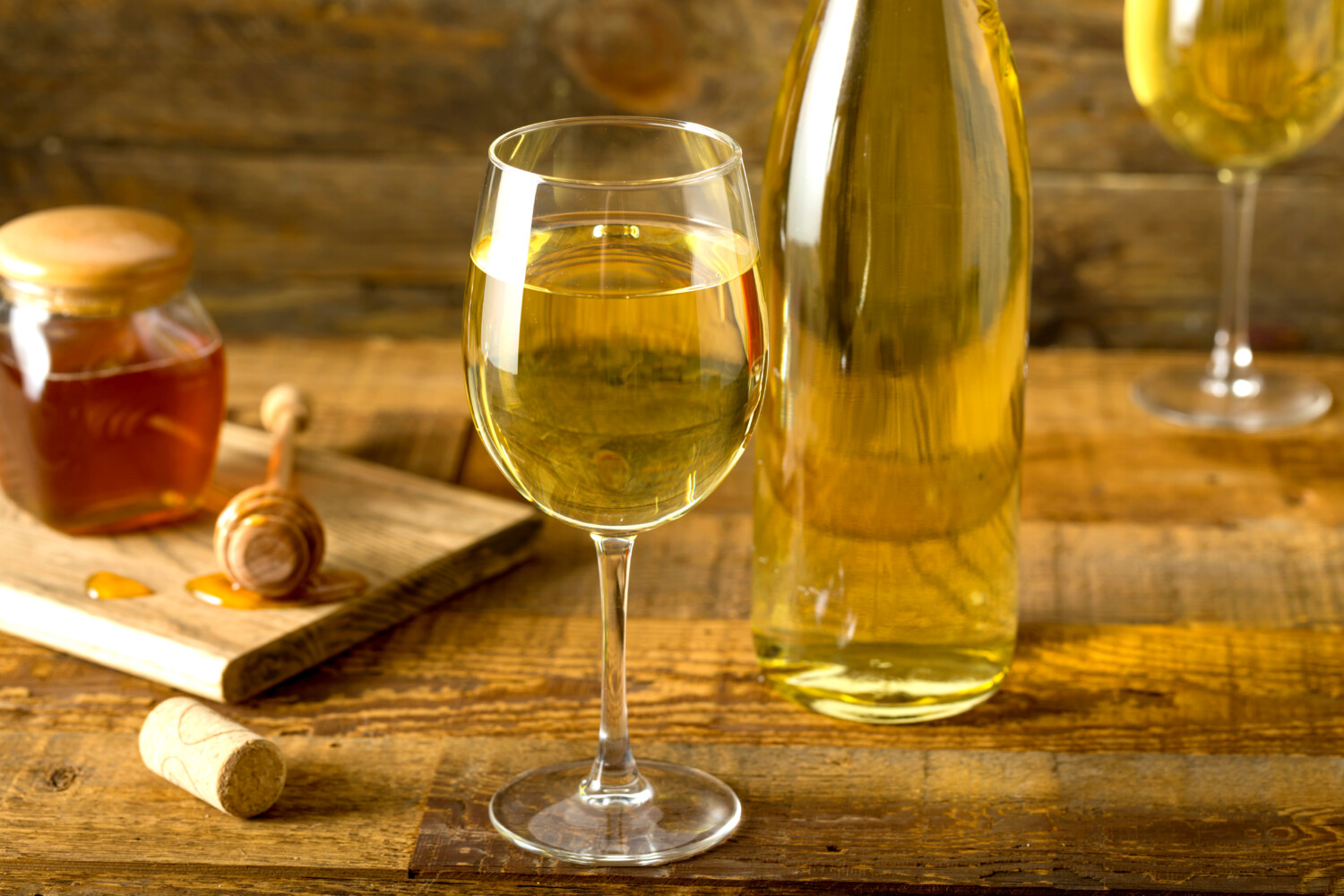
Honey on a spoon

Known by its sometimes alias, honey wine, mead can be mistaken for a fermented beverage made of grapes, especially since some meads contain fruit. Not everyone applies the term honey wine to mead, however.

Made of honey diluted with water and mingled with yeast, mead is so designated as long as the majority of its fermentable sugars come from honey. This distinguishes mead from beer, which gets its fermentable sugar from grains and sometimes hops. It also sets mead apart from wine, which ferments from grapes.

Like beer and wine, different types of mead are made from the addition of different ingredients or differing strengths. A weaker mead, around 6% alcohol by volume, is known as a hydromel. Sack meads, or fortified meads, are much higher in ABV, up to the 18% mark. Melomels are meads with added fruit or fruit flavourings and metheglins are spiced meads. A braggot is a mix of mead and beer.

So what exactly is mead closest to, beer or wine?


Live, laugh, mead

Like wine, mead can be still or sparkling, and sweet or dry. Also like wine, mead uses wine and champagne yeasts to accelerate fermentation. Mead is gluten free, where beer is not, and wine is (usually). Mead is also not boiled, unlike beer. Also unlike beer, mead takes a fair spell to ferment on the scale of months to like wine, years. Make that weeks to months for beer to ferment.

Overall, mead shares a few more similarities with wine than beer, but it is certainly a world apart. The sweetness that can be a characteristic of mead is also close to the flavour possibilities of wine, with mead gaining that extra honey flavour through back-sweetening, or adding honey once it has already fermented.

The global beverage market value for mead, beer, and wine has been reported at around $487M, $750B, and $339B, respectively, in the years 2020 or 2021. But with local recipes going back hundreds and thousands of years in areas around the world, from Ethiopia's Tej to Scandanavian Viking Blood, mead has a wide home turf from which to grow in popularity.

https://www.thedailymeal.com/1260714/mead-closer-wine-beer/

Thursday, 13 April 2023

Tucson Arizona's first meadery, Brillé Mead Company, is opening soon

From tucsonfoodie.com

An ancient beverage is making a brand-new appearance in Tucson.

With a grand opening on Friday, April 14, Brillé Mead Company will be the first meadery in Tucson, and only the fifth commercial meadery in all of Arizona. The meadery is a labour of love project for David Woods and his business partner Andrias Asnakew, who have been busy brewing up batches of their Ethiopian-inspired honey wine in anticipation of the big opening day.   


Woods and Asnakew both lived in Ethiopia before relocating to Tucson, where they met through a mutual connection at Zemam’s Ethiopian Cuisine. The business partners are eager to share their take on Ethiopian mead, known traditionally as T’ej in the East African country of its origin. Mead-making dates back to the fourth century in Ethiopia, and this nectar is still regarded as the country’s national drink. 

The meadery’s name Brillé is in reference to the berelé, the round drinking flask customarily used to serve T'ej, and thought to be the oldest style of drinking vessel still in use today.  

In an Ethiopian-style mead, a bittering herb is generally added to balance the sweet honey brew.  Traditionally, this is achieved with gesho, an herbal extract from a native East African tree, but a similar effect can be achieved with hops.  Yes, hops, the very same ingredient brewers use to add a subtle bite to beer. 

Woods and Asnakew will primarily use hops in their mead, which will also be enhanced with spices, fruit, and Ethiopian-origin coffee beans to achieve desired flavour profiles.  Local Arizona honey is the shining star of their recipes, and the mead-makers hope to utilize other ingredients representative of our region, such as prickly pear fruit, in their specialty batches.


Woods, like many mead-makers honing their craft, got his start brewing mead out of his own home, to be shared with family and friends.  Fuelled by positive feedback, he and Asnakew collaborated to perfect their interpretation of a traditional Ethiopian honey wine, eventually deciding to turn this passion project into a business concept.  

On a whim, Woods brought a sample of home-brewed honey wine to Eric Sipe, owner of Dillinger Brewing Company.  The two bonded over the beverage, as Sipe spent his pre-brewery days traveling to various countries including Africa, and was familiar with Ethiopian mead.  A plan was soon hatched to set up the Brillé meadery alongside the beer brewing tanks in the Dillinger Brewing Company production facility. 


Each business utilises its own separate equipment and vastly different ingredients, but the missions are the same — to create delicious unique beverages to be enjoyed by all.

In addition to the brewing space, Brillé Mead Company will also share the Dillinger Brewing Company taproom at the Oracle Road location.  Visitors to the taproom will be able to sample both Dillinger beers and Brillé Ethiopian-inspired mead when they stop by.  

Kolo, a traditional Ethiopian snack made with roasted and spiced barley, will likely be offered to pair with beverages, but for now, it is drinks-only (outside food is always welcome). Woods and Asnakew aim to eventually have their mead in restaurants, bottle shops, and taprooms around Tucson. 

The Brillé Mead Company/Dillinger Brewing Company shared taproom space is located at 3895 N. Oracle Rd., the grand opening takes place on Friday, April 14, and will be open from 3 - 8 p.m. on Tuesday - Friday, noon - 8 p.m. on Saturday, noon - 5 p.m. on Sunday, and closed Monday. For more information, follow Dillinger Brewing Company on Facebook.

Thursday, 30 March 2023

Bee Good Meadery opens in Auburn, Indiana

From kpcnews.com 

AUBURN — It started as a hobby and grew into something much more.

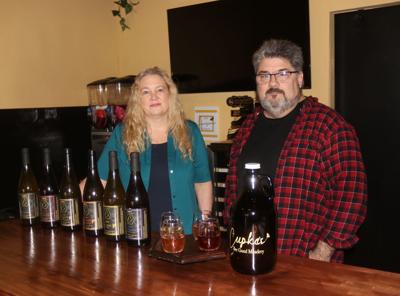
Auburn residents Tom and Candy Cupka decided to try their take on mead — using honey as its primary fermentable.

In development for more than six years, they recently opened their own business, Bee Good Meadery.

The Cupkas explained mead is the oldest alcoholic beverage, predating both wine and beer. “Some describe mead as filling the space between wine with beer, offering something for everyone,” they said.

“The way the wine industry has come into this area really sparked our interest,” Tom Cupka said. “We got to know a lot of the wineries, a lot of the owners and the makers, and we started going on wine trails.

“I grew up on a strawberry farm in Bloomington five miles away from Oliver Winery, and the camelot mead bloom used to land right on our farm, so we helped them pack it up.

“Between the two of them, we wanted to be in this industry. We wanted to be here with all our friends and all the people we’re getting to know, because this industry is great, but we don’t want to do what they’re doing,” he explained.

The Cupkas decided to follow mead path, remodelling garage space into a production facility and honing their craft.

Bee Good Meadery opens in Auburn

Candy and Tom Cupka are owners of Bee Good Meadery, which opened in February at 112 N. Main St.


While the business began taking shape in the midst of COVID, the Cupkas had been thinking about it for several years before that. Tom made his first wine in 2016, and established several grape plants. The business opened Feb. 18 and is located at 112 N. Main St. It offers two styles of mead — session and still — in a variety of flavours.

Session meads, they explained, are carbonated and lighter in alcohol content and kept on tap. Still meads use more honey, and are bottled and aged for longer periods of time.

Like wine trails, mead trails guide aficionados to establishments that specialize in honey-based drinks. “There’s a few meaderies that make the style that we like to make,” Tom said. “A lot of them are really traditional or go just weird. There’s a lot of different types of mead.”

When asked what sets their business apart, the Cupkas explain they are trying to fill the gap between wine and beer. The business offers traditional mead — comprised of honey, water and yeast — as well as meads brewed with fruit, known as melomels and variations with spices, known as metheglins. Bee Good Meadery uses honey from local sources.

Tom said one of the Christmas wines he plans to make will feature cinnamon, plum and cherry.

The business is open from 5-9 p.m. Wednesdays, Thursdays and Fridays and from noon to 9 p.m. Saturdays.

In addition to glasses and bottles of several wine varieties, the menu includes flights of honey and carbonated varieties; a charcuterie plate of biscuits, apple chips, pretzels, meats and cheese; slushies; slices of cheesecake; pork sliders; slushies and non-alcoholic honey soda.

A pastor, Cupka said the first Sunday of each month will feature what he calls “pub theology.” The May session will feature a professor from his seminary.

The business has a Facebook page and more information may be found online at beegoodmeadery.com.

“We both still have our day jobs,” Candy said. “This is our fun, empty-nester night business.” She handles the accounting for the business.

“She’s our CFO. I’m the CPO, the chief prayer officer,” Tom quipped. “We run it on a wing and a prayer.”

“We didn’t even drink wine until about 2016,” Candy said.

“It’s just one of those hobbies that got out of control,” Tom explained.

https://www.kpcnews.com/thestar/article_95bc404b-b7ef-53b5-bf8b-c2a39c72d3ab.html

Tuesday, 28 March 2023

5 Interesting Facts About Mead You May Not Be Aware Of

From scoopearth.com 

For centuries, mead has been a popular honey-based alcoholic beverage many cultures worldwide enjoy. It’s quite fascinating when you start to peel back the layers of mead and discover its rich history and all the surprising facts about it. From its medicinal benefits to methods for fermentation—there’s so much more to learn! In this blog post, we’ll explore five interesting facts about mead that may surprise even those who consider themselves experts on this sweet type of wine. So grab your mug (or goblet!), settle in, and let’s get started!

What is Mead, and how is it made?

Mead is an alcoholic drink made from fermented honey and water. Depending on the recipe, small amounts of spices, herbs, or fruits may be added for flavour. To make mead, the honey is first diluted with warm water before yeast is added to start the fermentation process. The fermentation can take a few weeks to months, depending on the type of mead being made. Different variations of mead include melomels flavoured with fruit, cysers using apple juice or cider, and payment using grapes. Once the fermentation has ended and all sugars have been converted into alcohol, the liquid is usually clarified using products like pectic enzymes or fining agents like bentonite clay. After all these steps, the mead can either be left sweet or undergo secondary fermentation to turn it into a dryer version. Regardless of sweetness level or whether it has gone through secondary fermentation or not, brewing your own mead at home can provide you with a unique experience that keeps you coming back for more!

The history of mead and its connection to ancient civilizations

Mead, an alcoholic beverage made from fermented honey and water, has existed for thousands of years. It was enjoyed by ancient Greeks and Romans, who appreciated its delicate sweet taste and its range of subtle flavours depending on the type of honey used. Some say it was even a favourite of King Midas himself. Hieroglyphs in ancient Egyptian tombs tell us that mead was a sign of greatness, wealth, and power that began to spread across many civilizations from Mesopotamia to Scandinavia, with Nordic gods reportedly giving mead to their kings upon coronation. Even today, mead remains popularly consumed worldwide, highlighting its integral connection between past and present cultures.

Different types of mead available today

Mead is an alcoholic drink that has been around for centuries. It’s a beverage derived from fermented honey, water, and yeast, with possible additives like spices, fruits, or hops. Although it can be made in various styles and flavours, all mead falls into one of three main categories: melomel, metheglin, or traditional. Melomel mead is made with the addition of fruit juice or fruit purees. Metheglin blends honey with herbs and spices for an interesting flavour twist on the traditional mead. Lastly, traditional mead is made solely from honey, water, and yeast – the original recipe that has inspired all other varieties of mead we see today! With so many unique types to try, there’s sure to be one that fits perfectly for anyone’s palate.


Reasons why mead has become popular in recent years

In recent years, mead has become a unique alternative to beers, wines, and spirits. Mead is an ancient alcoholic beverage with roots in the Middle Ages, where it was made from fermenting honey and water. Its ability to adapt to modern flavours has seen its resurgence with those seeking something different from their regular alcohol consumption. Nowadays, hundreds of variations range from sweet and fruity to dry and savoury and even carbonated varieties. With this array of choices ever-growing, it’s easy to understand why so many are turning to mead for their next libation experience. There are many great sources available to buy mead online.

Health benefits associated with drinking mead

Mead can have a variety of health benefits. It is a natural drink produced by fermenting honey with water and various fruits or herbs to create a sweet alcoholic beverage. Many consume mead for its antioxidant properties that help flush free radicals from the body, preventing cellular damage and reducing inflammation. Mead also has immunomodulatory effects, which may improve your immune system’s function, helping protect your body against infection and disease. Its potent microbial effects make it beneficial in treating skin infections and minor wounds while aiding digestion with improved stomach acid production. With abundant essential minerals, vitamins, proteins, and fatty acids found naturally in honey, drinking mead offers various health benefits when enjoyed responsibly.

Concluding Thoughts

To conclude, mead is an alcoholic beverage enjoyed for centuries, from ancient civilizations to modern drinking connoisseurs. It has a fascinating history, and it can be found in many different forms today. There are several reasons why mead has become more prevalent in recent years, including its economic production costs and the various health benefits of drinking it. Whatever your opinion on mead may be, it certainly cannot be denied that it is a unique and flavourful drink that can bring joy and pleasure to anybody who drinks it!

https://www.scoopearth.com/5-interesting-facts-about-mead-you-may-not-be-aware-of/

Friday, 17 March 2023

What you should know about mead, the world’s oldest alcoholic beverage

From simplemost.com

This fermented drink is making a comeback

Hear the word “mead” and you probably think of the medieval and Renaissance eras, or Mount Olympus, or Vikings toasting large metal tankards of the alcoholic beverage.

But mead predates even those intrepid Norsemen and early Greeks — making it the world’s oldest alcoholic beverage! And like craft beer in the last few decades, mead has seen a resurgence in popularity, both for those who make it and those who drink it.

If you’re curious about mead and why it’s so appealing to some, here’s what you need to know.

Adobe

What Is Mead?

So what exactly is mead? And why do people like it?

While it is sometimes labelled as “honey wine,” mead isn’t really a wine or a beer. The simplest form of mead is made from honey and water that’s been fermented with yeast. The key distinction that gives mead its identity is honey.

Millennials and their pursuit of new tastes and flavours are behind the rise in mead’s popularity, according to Fortune Business Insights. The company projects that global mead profits will rise from $487.9 million in 2021 to $1.62 million in 2028.

On top of that, commercial meaderies have grown in the U.S. from about 60 in 2003 to 450 in 2020, the American Mead Makers Association notes. That number doesn’t include wineries and breweries that also make at least one type of mead.

Adobe

The History Of Mead

Mead may not yet be as popular as wine or beer, but it’s probably older than both. Traces of an alcoholic beverage made from wild grapes, honey and rice were found in 9,000-year-old pottery jars in the Henan province of China, and archaeologists have found proof of mead production dating to 7,000 B.C., according to research.

WineCountry reports that more recent research indicates mead may have originated in Africa 20,000-40,000 years ago, when tribes would drink the liquid created by honeybees in hollowed-out tree trunks. Rainwater may have flooded beehives, causing early foragers to drink contents that had naturally fermented with help from airborne yeast.

Mead was called the “nectar of the Gods” in ancient Greece and given to warriors after battle. However, the health benefits of mead due to the antioxidant and antimicrobial elements of honey or the probiotic aspect of mead itself have not been proven.

Mead is prominently featured in the ancient texts “Beowulf” and the “The Canterbury Tales.” Supposedly the term “honeymoon” comes from the practice of a couple drinking mead for a “moon,” or a month, after getting married in hopes that it would help them conceive.

But mead became less popular as wine, beer and spirits rose in popularity while sugar from the West Indies became more available than honey.

“Mead seems to fall when spirits became more widely available, so we’re looking at a time between the 1700s and 1800s,” Fred Minnick, author of “Mead: The Libations, Legends, and Lore of History’s Oldest Drink,” told Vogue about the era when mead-making started to drop off. “Mead is hard to make, especially in the 1700s when you lacked the equipment to obtain honey.”

A modern U.S. resurgence in mead started in the 1960s, although it was initially hampered by interstate commerce laws and other issues.

Adobe

What Kinds Of Mead Are There?

Alcoholic beverages are classified by the type of sugar that’s eaten up by yeast in their creation. Mead has honey. Wine has grapes (or other fruits). Cider has apples. Sake uses rice and beer incorporates cereal grains.

Mead can be dry, semi-sweet or sweet, as well as still, “petillant” (lightly carbonated), or carbonated.

Mead typically contains 8%-20% alcohol by volume (ABV), though “session”-style meads are growing in popularity and have ABV numbers closer to 3%-7%. These hydromel meads have higher water and lower alcohol content. Meanwhile, higher alcohol meads tend to be thick and sweet, almost like syrup.

There are several substyles of mead. These include the following:

  • Melomel is mead with fruit added. Two common melomel types are cyser, mead with apples, and pyment, mead made with grapes.
  • Metheglin has spices like nutmeg or vanilla.
  • Braggot is a fusion between mead and beer because it has malted grains.
  • Acerglyn uses maple syrup.
  • Bochet uses caramelized honey.

A huge range of flavors can be incorporated into mead as long as honey is at the forefront.

How To Serve And Enjoy Mead

Mead can be served hot or cold. That’ll vary according to your taste preference, but going roughly by wine standards gives you a general idea. Lighter or more fermented meads tend to be served cold but not so cold that you can’t taste the different flavours. Heavier styles of mead can be served warm. Mead should be stored at around 70 degrees Fahrenheit in a dark area.

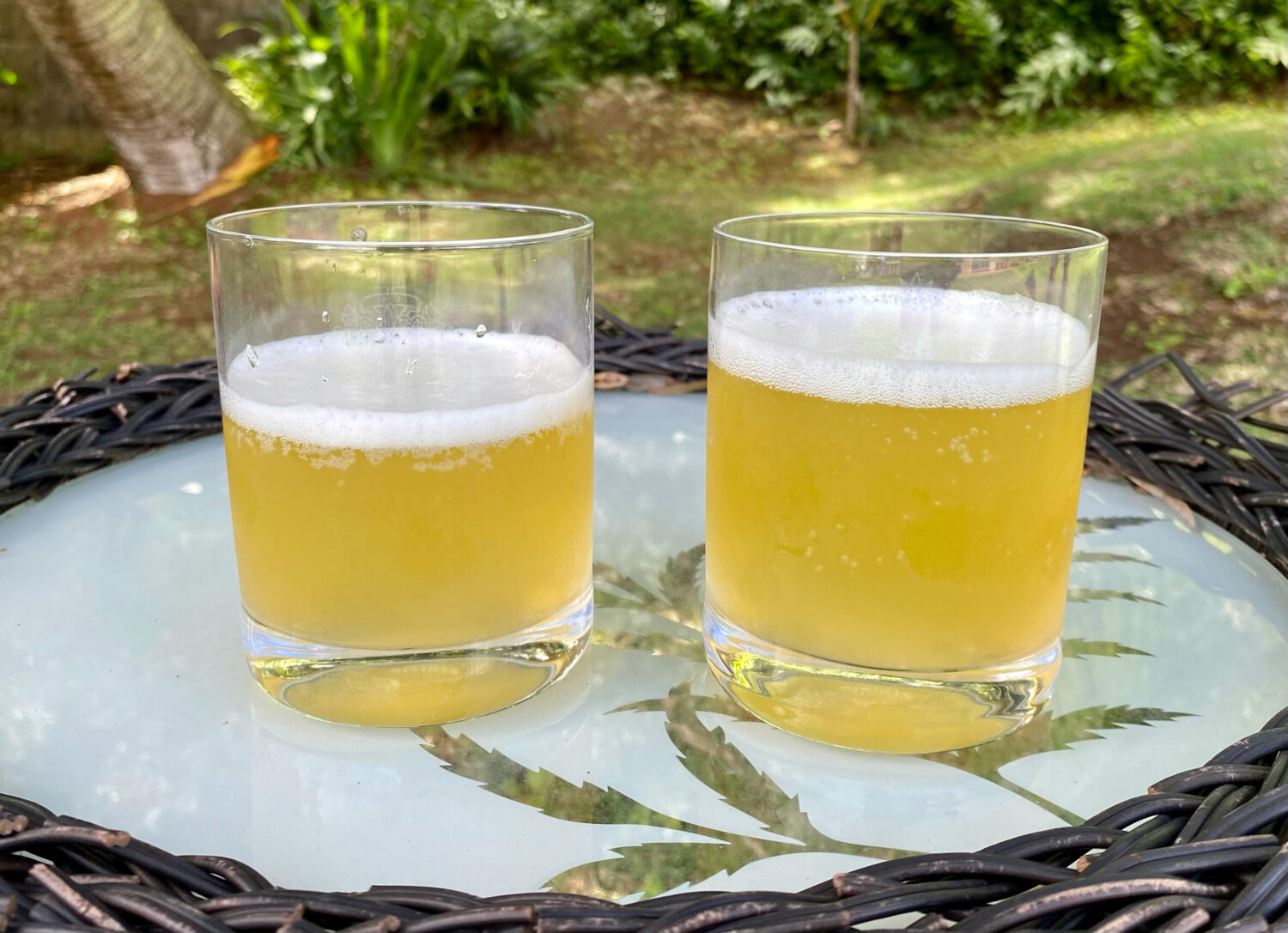
The local lilikoi (passion fruit) and pineapple mead I tried recently, which is pictured below, was served cold and tasted like a cider because of the fruit and carbonation in this variety. But it wasn’t as sweet as cider and you could definitely taste the honey.

Anna Weaver/Simplemost

How To Make Mead

First off, if you make mead, you’re not a brewer or a vintner, you’re a “mead maker.” Most mead makers do use yeast that comes from the wine industry and is designed to withstand alcohol between 14%-18%. Mead can also be aged or oaked like some types of wine.

The type of honey you use changes your resulting mead. And honey is also why mead tends to cost more than beer or cider. You need a lot of honey to make mead and it’s a costlier ingredient than what goes into beer.

A clean and low-mineral water source is important as well. Because honey does not have a lot of nutrients for fermentation, mead makers often put additives in their mead to help the fermentation and create a complexity of flavours.

If you’re interested in trying your hand at making mead at home, there are now many resources and supplies available online, including Got Mead?, the Mead Forum at Homebrew Talk and Meadist.

https://www.simplemost.com/what-you-should-know-about-mead-the-worlds-oldest-alcoholic-beverage/ 

Monday, 6 March 2023

New Zealand: Christchurch duo creating a buzz around mead

From stuff.co.nz

Mead is “having a moment” and a Christchurch duo is making the most of the medieval drink’s resurgent popularity.

Made from fermented honey, mead is thought to be one of the world's oldest alcoholic beverages and was particularly popular in the Middle Ages.

Its popularity began to wane in the 14th century but, thanks to Game of Thrones, mead is “having a moment,” according to Buzz Club founders Edward Eaton​ and Wilbur Morrison​.

The lifelong friends launched their mead-making business in 2021 and said there were common misconceptions about the drink.

“Both the mead of medieval times and the mead we produce today use fermented honey as its base, but that’s where the similarity ends,” Eaton said.


SUPPLIED
                                      Edward Eaton, left, and Wilbur Morrison say there are common misconceptions about mead
In its simplest form, mead is a mixture of yeast, water and honey. But unlike the syrupy concoction sipped from goblets on Game of Thrones or by Robin Hood and his Merry Men, Buzz Club’s modern mead is crisp and light.

“We use modern brewing techniques to perfect our mead, adding a dash of water ahead of fermentation to balance the weight and flavour profile of the finished product.”

Most of the duo’s mead has an alcohol content of 5.5%. Tart and perfumed fruit like feijoa and strawberry are used to offset the sweetness of native kāmahi, rātā, and pōhutukawa honey.

Morrison, a beekeeper himself, said New Zealand was fortunate to have varied landscapes, incredible forests, and rich environments for beekeeping.

“It’s a huge shame to see some keepers forced to walk away from their hives because there hasn’t been enough demand to continue producing these unique native honeys.

“When I spoke to Edward about the problem facing some of our best beekeepers, we became determined to help find a solution.”

Eaton said it was important to him to create a market for honeys other than mānuka, which has commanded global attention over the last 10 years. 

“There are so many beautiful honeys native to Aotearoa that deserve the spotlight just as much,” he said.

“The kāmahi, rātā and pōhutukawa honeys in our sparkling mead support not only bees and their beekeepers, but the integrity of our native forests.

“Bees are critical to the pollination process within our ngahere [forest] and encourage continued biodiversity.”

SUPPLIED
                                                     Unlike the syrupy medieval drop, Buzz Club’s modern mead is light and crisp


The Buzz Club operation, which began in Morrison’s dad’s back office, recently moved to Two Thumb Brewing Co’s state-of-the-art solar-powered brewery.

And with their mead already stocked in supermarkets nationwide, the duo have plans to crack the Australian market this year.

“It feels amazing to have come so far in such a short space of time,” Eaton said.

“We’re really only getting started – mead is having a moment and we’re thrilled to be able to shine a spotlight on the great native honeys that make Buzz Club sparkling meads what they are.”

https://www.stuff.co.nz/business/131421082/christchurch-duo-creating-a-buzz-around-mead 

Friday, 3 March 2023

Generating a buzz: Saline County is home to Arkansas state’s first meadery

From arkansasonline.com

As a product of small-town Arkansas who makes his living in information technology (IT), Tony Fry doesn't immediately conjure up the image of a pillaging Viking. But as the founder of the state's first meadery, located in rural Alexander, he's changing that reputation one bottle at a time.

Fry opened Arkansas Meadery out of a barn on his Saline County acreage after years of tinkering with the beverage. The first bottles hit the shelves in 2021 and today, he distributes mead to five Arkansas liquor stores around the state, with more to come.

"I love to ferment things and make wines and beers and mead," he said. "This started as a hobby, as a fun thing for me to do. But when I saw there were no meaderies in the state of Arkansas, I thought, 'I think I just need to go ahead and do this.'"

Tony Fry, an IT professional by day, is the man behind Arkansas Meadery, the state’s first known producer of mead, an ancient alcoholic drink. (Arkansas Democrat-Gazette/Cary Jenkins)


To understand the origins of the business is to understand the seemingly boundless love and curiosity Fry holds for the art of brewing and fermenting. He recalled getting his first home brewing kit around 2000 and was immediately hooked on the chemistry and artistry of making his own suds.

"I love beer, I'm kind of a connoisseur of beer," he said. "Diamond Bear Brewery was really close to where I used to live, and I was there all the time. I think they even asked me to do their tours for them at some point in time, but I never did because I was too busy wanting to drink the beer.

"I've also always liked cooking. Being raised on a farm, my mom cooked all the time. One of the early things that I liked to do was cook and so I thought, I can make beer. I made my first beer and I was like, 'Holy moly, this is really good. I think I'm good at this.' And just like anything you can cook, you always find different ways of doing it, different flavours, different ingredients."

Tony Fry's canine assistant, Pippy, keeps an eye on the barn where Arkansas Meadery is located in Saline County. (Arkansas Democrat-Gazette/Cary Jenkins)

HOMEBREWING CLUB

Fry, who grew up in Wickes (Polk County), is one of the founders of the Central Arkansas Fermenters homebrewing club, through which he has happily mingled and collaborated with kindred spirits for 20 years.

"The purpose of the club was to get together and find out how to ferment things. When I say ferment things, we fermented anything, whether it be sauerkraut, making cheese," he said. "Then I was out picking muscadines and I thought, surely there's a muscadine wine recipe out there. So, I started making wine. It was fun. I loved it."

Next on Fry's list was mead, a fermented drink made from honey, water and yeast. In so doing he continued a line of production that some historians believe makes mead the oldest alcoholic beverage in human history. According to liquor.com, evidence of mead production can be found on Chinese pottery dating to 7,000 B.C., which would predate wine and beer. Wine Enthusiast pegs its origins even earlier, at least 20,000 years to prehistoric Ethiopia.

Though most commonly associated with Vikings and other rough-hewn conquering barbarians, mead has actually held an esteemed place throughout the centuries, nicknamed by the Greeks as "the nectar of the gods." It also was far more widely enjoyed than most people realize, prized by civilizations from the Chinese and Egyptians to the Mayans and Romans.

Given its widespread popularity, mead has popped up in some of the most famous cultural works ever produced. Chaucer referenced it in The Miller's Tale of his "Canterbury Tales,'' the epic poem "Beowulf'' is awash in the stuff, and more recently J.R.R. Tolkien set several plot elements of Middle Earth within a grand mead hall, both a meeting place and a royal residence.

RELATIVELY UNKNOWN

Despite this proud lineage, mead is relatively unknown to modern audiences, especially here in the states. That is, until recently. As Wine Spectator reported in 2021, there are about 500 commercial meaderies in the United States, an increase of 650% since 2003, per the American Mead Makers Association, with 200 more set to open over the next couple of years. The global mead market was valued at more than $408 million in 2018, per Investment Weekly News, and is projected to surpass $800 million by 2025.

Though relative newcomers, U.S. meaderies are being hailed for spurring the beverage's new Golden Age, not unlike the craft beer boom before it. Industry watchers and critics alike hint that much of the best of the current mead renaissance, in quality and creativity, is coming from America.

"Mead is one of those things you can make 10,000 different ways with 10,000 different recipes," Fry said. "The names change depending on what you ferment it with. If you ferment it with apple cider, it's called a cyser. If you mix it with fruits, it's called a melomel. It's capsumel if you mix it with peppers and whatnot.

"It is very, very unique and once I started making it, I made it many different ways, many different flavors, different spices, you name it."

As he perfected his hand at producing mead, Fry was inspired by members of the fermenter's club who had stepped out and launched their own local beer breweries, namely Little Rock's Stone's Throw Brewing and Flyway Brewing in North Little Rock. Despite being perfectly happy in the IT field, Fry's brain began to turn on the idea of doing something similar.

"I always thought that it would be kind of cool to do something like that. I definitely love what I do, but we all have our hobbies and things that we do on the side," he said.


'MY MAN CASTLE'

"In 2015, we purchased an eight-acre farm that's just north of Benton and Bryant in the Avilla area. The previous owners had built a shop; it has running water, it has a bathroom and an upstairs loft apartment. The first time I walked into this place I'm going, oh my gosh, this is my man castle. This is where I can brew beer, I can make mead, this is going to be so awesome."

Besides taking a long time to produce — mead is purportedly simple to make but must be aged a minimum of six months to eight or 12 months or more depending on alcohol content to achieve the desired flavor balance — Fry had a consumer education issue to deal with. Officially, mead falls into its own alcoholic category which doesn't help the uninitiated buyer much. And the fact it's made from honey gave people an image that doesn't jibe with the actual product.

"The common misconception of mead is that it's super-sweet and that's not the case," he said. "It can be anything that you want it to be, from dry to sweet and mixed with anything you want. A dry chardonnay would be a pretty accurate term for a traditional mead; if you do a traditional mead that's sweeter, then it would be more like a Riesling.

"People that have never had mead before, I tell them it's closest to a wine, but it is not like anything you have ever drank in your life."

Tony Fry's finished product is ready to sip. Mead from Arkansas Meadery is currently available in only a few local liquor stores. (Arkansas Democrat-Gazette/Cary Jenkins)


Arkansas Meadery's line-up currently includes a dry traditional version, clocking in at 16% alcohol by volume, with medium-sweet and sweet versions on the way. Fry's voice lights up when describing an even more complex forthcoming creation, a limited-edition bourbon barrel mead using barrels from Little Rock's Rock Town distillery.

"That's going to be fun and it is really good," he said.


LOST SEVERAL BEE HIVES

Mead takes considerable honey to produce, which didn't present Fry a problem initially, being that beekeeping is among his many interests. But lately, circumstances have forced him to branch out beyond his own hives.

"Being a beekeeper, I've made my mead from my own honey. But two years ago, I lost seven of my 11 hives," he said. "I do source all of my honey locally in the state of Arkansas; right now I get all my honey from a beekeeper in an apiary that's in Quitman. His honey is really good."

Even as he works to increase distribution — one store, one sales call at a time — Fry is maintaining a realistic perspective about the potential for the business. For now, it's an enjoyable side hustle and he's content to leave it that way, generating buzz as he goes.

"Last year, I think I did about 60 cases. This year I'm going to end up probably going from 60 up to 300 cases or more, 24 bottles to a case," he said. "We have been doing 375 ml bottles, but I'm moving over to 750 ml and I'm super excited about that. I could even see me employing some people in the near future.

"A lot of people ask me, 'When are you going to quit your day job?' This meadery gig ain't going to pay me what my IT job does, but I'm really proud of what I've done, to double it up and grow. It's fun and I love it and I'm happy knowing I'm helping people discover what mead is."

You can buy Arkansas Mead at Bodiddle's Wine & Spirits in Benton; Ace Liquor in Cabot; Liquor World in Fayetteville; Riverpointe Wine & Spirits in Fort Smith; and Tri-Lakes Liquor Store in Hot Springs.

https://www.arkansasonline.com/news/2023/feb/28/generating-a-buzz/