Monday, 21 September 2026

British Columbia: First local meadery officially open, adding to Kamloops Wine Trail

From castanetkamloops.net

Kamloops’ first meadery and the fourth member of the Kamloops Wine Trail officially opened for business out in Monte Creek on Saturday.

Lion’s Head Meadery, located at 4006 Shuswap Rd., held a grand opening ribbon cutting ceremony with a couple dozen people, following the opening of its tasting room back in July.

Co-owner Bernita Wienhold-Leahy told Castanet Kamloops the business venture has been six years in the making alongside her husband and beekeeper Leroy Harder.

The couple moved to Kamloops six year ago to start the business — converting their garage into a working meadery.

The pair have been making the ancient beverage for a decade and use mostly their own honey, fermented directly with fruit and yeast to produce a dry mead.

“It’s our retirement plan if you believe not or not,” Wienhold-Leahy said.

She said they enjoy living off the land and felt this was a great option for a home-based business, so they can be their own bosses while having fun.

Lion's Head Meadery co-owner Bernita Wienhold-Leahy and her daughter (holding scissors) cut the ribbon officially opening their business, surrounded by various business and tourism dignitaries on Saturday

Photo: Michael Potestio

Lion's Head Meadery co-owner Bernita Wienhold-Leahy and her daughter (holding scissors) cut the ribbon officially opening their business, surrounded by various business and tourism dignitaries on Saturday


The fermented honey beverage is close to a wine, and Wienhold-Leahy said they have plans to create a variety of products including carbonated mead and a mulled mead in time for this year’s Christmas Market.

Trish Morelli, executive director of the Kamloops Wineries Association, said Lion’s Head Meadery is a great addition to the Wine Trail as Kamloops’ first honey winery.

“Each winery along the trail has such a different experience, different tastings, different views and things to offer," she said.

The Kamloops Wine Trail also includes Privato, Monte Creek Winery and Sagewood Winery.

Morelli hopes the Wine Trail will grow, and there’s potential in the area — the former Harper’s Trail Winery property is up for sale, and there were recent efforts to explore growing grapes in the Tranquille Creek area as part of a failed housing development.

https://www.castanetkamloops.net/news/Kamloops/631825/First-local-meadery-officially-open-adding-to-Kamloops-Wine-Trail- 

Monday, 14 September 2026

Mead is having a moment in Japan

From japantoday.com

By Rachel Teo

Dating back to 7,000 BC, mead is one of the oldest alcoholic beverages in the world. As the Agricultural Revolution progressed, grains, hops, and grapes made winemaking and beer-brewing more commonplace. Since honey was more expensive and more difficult to scale, the beverage was slowly lost to time.

In the last five years, there’s been a resurgence in the popularity of mead in Europe and the US. This wave is finally hitting Japan, with meaderies opening across the country and selections from Japanese brewers gaining recognition at prestigious international competitions.

According to Good luck Trip, Japan now boasts 20–30 facilities that produce the beverage, with six companies opting to specialize in making only mead. The drink is also gaining ground in Japanese pop-culture, being featured in a number of anime and manga, and is even sold as part of certain anime-related merchandise.

Antelope Meadery
img_3369.jpg
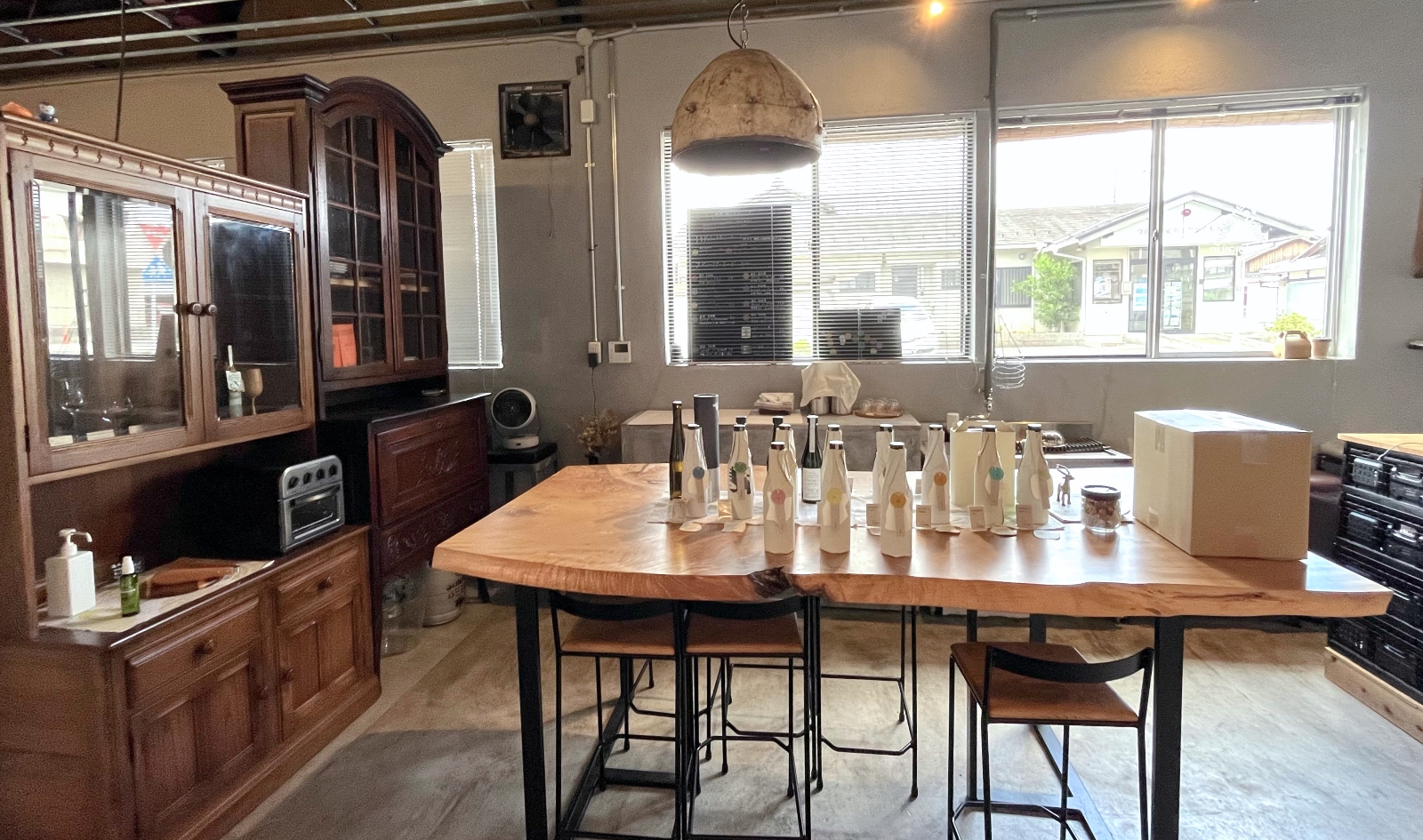
The tasting table at Antelope Meadery. Image: Rachel Teo

Antelope Meadery is a small, award-winning facility tucked away in a quiet residential neighbourhood of Yasu City in Shiga Prefecture. Set up in a small warehouse that used to be a bakery, the meadery opened in 2020 right before the COVID pandemic, and currently produces 13 different brews of mead, ranging from 4% to to 14% ABV.

Although mead has been around for centuries, not many people know about the beverage in Japan. In fact, Yuki Yazawa, head brewer and CEO at Antelope, struggled at first with getting his operation up and running.

“I opened the meadery in early 2020, right before COVID hit. We were actually the first facility in Japan that’s completely dedicated to making mead,” says Yazawa.

As businesses around him screeched to a halt and travel restrictions were imposed, Yazawa had to hunker down and focus on experimenting, refining recipes, and constantly researching. Finding answers to his questions and troubleshooting recipes proved extremely challenging, though, since there was no precedent for mead making in Japan. But through years of practice and dedication, and along with some mead-making advice from kind strangers on the internet, Yazawa steadily perfected his craft.

“Traditionally, mead is sweet and weighty. The level of sweetness varies, and they can go from very sweet to very dry,” says Yazawa. “Besides just honey and water, you can also use fruits, hops, spices, or grains to create additional flavours.”

Using traditional Japanese aromatics, including lemon leaves, lime zest and kuromoji (a spice from Kyushu), a variety of their meads have seen success in Hong Kong, Singapore and Taiwan.

International recognition

Antelope Meadery recently added the Grand Champion Pro award to their accolades. This award is given at the Mead Madness Cup, the largest mead competition in Europe. Held in February this year in Krakow, Poland, the Cup featured 777 entries from 35 countries and 222 participating organizations. Evaluated by experienced mead, wine, and beer judges, including representatives from the European Mead Makers Association, this is the first time the award has gone to a producer outside Europe.

“We were chosen as the Grand Champion out of 777 entries. We weren’t thinking anything of it – we didn’t enter [the competition] thinking we were going to win, so it just came as a big surprise to us!” says Naoko Shimogaki, an inventory associate at Antelope.

Aurea 13, the winning brew, also won the Medium Session Mead award for best traditional mead with a semi-sweet or semi-dry flavour profile. Made with domestic honey from Hamamatsu in Shizuoka, Aurea 13 is a light and sparkling, semi-sweet brew with a golden hue with a faint green tint. With aromas of muscat grape, mint, and a touch of lemon, it has a bright acidity and a faintly bitter finish, and an ABV of 6%.

“Meads are coming back, and based on this win, we think there could be a shift in the preferences of mead drinkers [worldwide],” says Shimogaki. “Meads are usually rich, sweet, and weighty, but Aurea 13 and the meads we make are mostly light, sparkling, and not too high in alcohol content.” These flavour profiles also correspond with the styles of wines that the Japanese prefer: light, fresh, and low-alcohol styles that pair easily with local foods.

Mead’s low ABV and adaptability to take on additional flavours might even give it an edge, in light of the changing drinking preferences. “Maybe some people don’t want to drink alcohol too heavily, or maybe they’re just looking for something light to make a toast over dinner,” says Shimogaki. “We want to make drinks that really capture the essence and intricate flavours of the honey, that still pairs well with both food and celebrations.”

Japan’s growing mead scene
img_3382.jpg
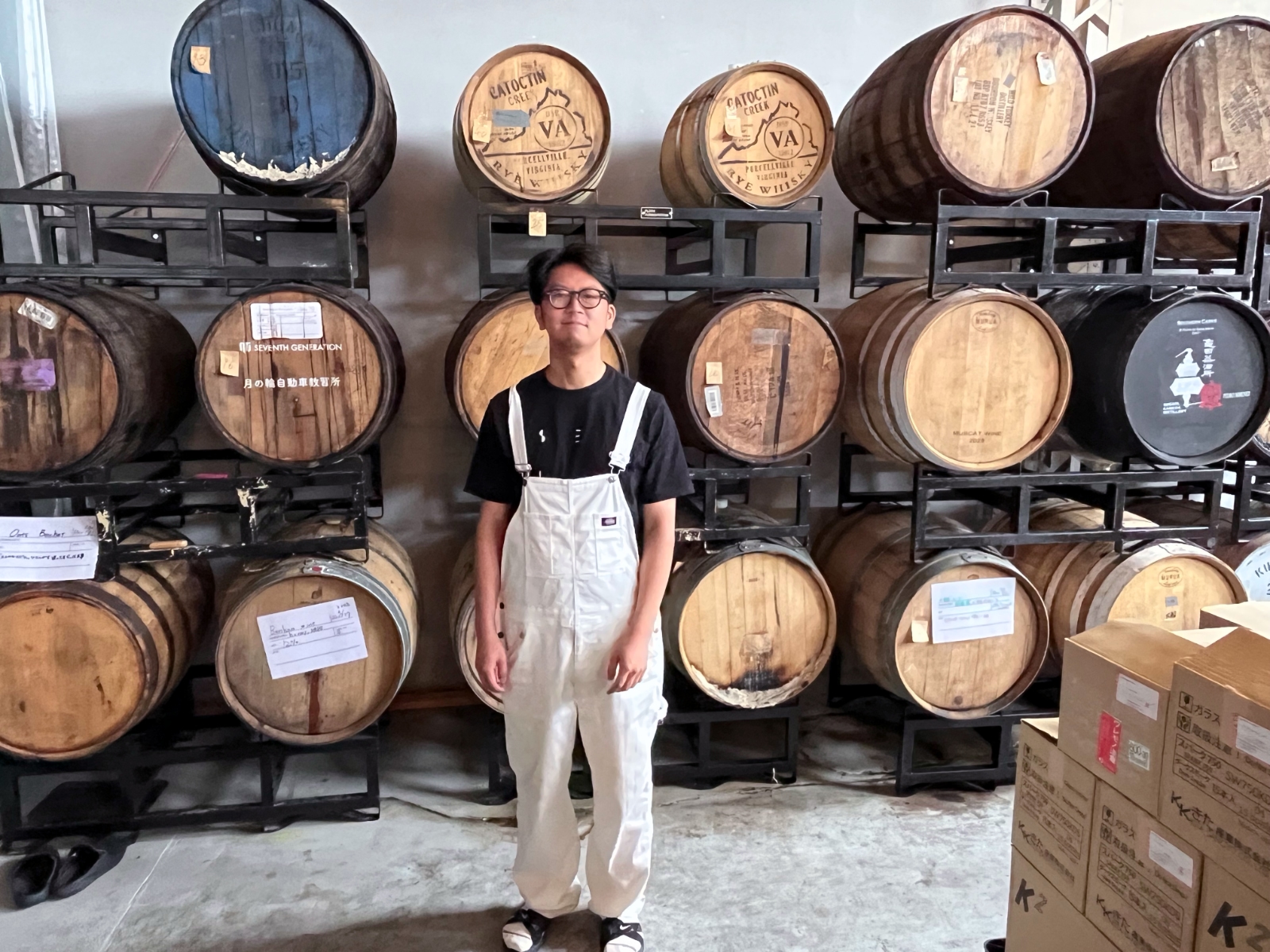
Yuki Yazawa, head brewer and CEO of Antelope Meadery with wooden casks of aging mead. Image: Rachel Teo

As the new player on the drink scene, mead has to compete with the current mainstays: Japanese sake, Japanese whiskey, and local craft beers. But while the mead scene in Japan is just under a decade old, the achievements in this area are already quite impressive. Japanese brewers have been winning awards at international competitions with select, high-quality meads since 2021.

Besides Antelope Meadery’s win at the 2026 Mead Madness Cup, Kyoto Mead Brewery also secured two bronze medals on their first competition appearance. Wicked Way Mead from Nagano won two awards at the same event, and has won other mead awards such as the 2026 UK Midsummer Mead Awards, and the 2025 Mazer Cup (USA).

At the 2024 Mead Madness Cup, Honeyboy & Co from Kagoshima placed second at the Traditional Dry Mead category with their Meadol Linden Honey mead. Eight Crowns, a meadery from Miyagi Prefecture, took home a gold medal at the 2023 BTI World Mead Challenge with their Wildflower Traditional Mead.

The scene faces two main challenges moving forward: promoting mead in Japan and procuring a sufficient stock of high-quality domestic ingredients.

“There’s a limited supply of domestic honey,” admits Yazawa, “while we source from Shizuoka, Nagano, Kumamoto, and all over Japan, it’s always a bit of a gamble, because the type of honey really affects the taste and quality of the final product.”

While Antelope’s earlier recipes made meads with honeys imported from Myanmar and Vietnam, the master brewer is now dedicated to keeping ingredients local. His goal? To capture the aromatic properties of the honey in every bottle.

Antelope Meadery hopes to create a beverage that showcases the best of Japan’s native goods.

“Local craft beer and gin use Japanese agricultural products, like hops, wheat, and barley,” notes Yazawa.

Although these ingredients are grown domestically, they were almost all originally brought to Japan from overseas. The type of honey and other aromatics that Antelope uses, on the other hand, are fully native to Japan.

“I really want to create a unique, and truly Japanese brew,” he says.

Other breweries are likely to follow suit, until the country as a whole has a new beverage to add to the repertoire of artisanal craftsmanship.

https://japantoday.com/category/features/food/mead-is-having-a-moment-in-japan 

Tuesday, 8 September 2026

From tapestry to taproom: British Museum commissions its own mead

From telegraph.co.uk

Fermented honey drink enjoyed by Vikings goes on sale at Bayeux exhibition 

While some may find history to be a bit dry, the British Museum has pulled out all the stops to make the Bayeux Tapestry exhibition a truly intoxicating experience by commissioning its own bottles of mead.

Tucked in the same gift shop as the more standard mugs, books and children’s toys are bottles of new “Bayeux Mead” created for the museum by the Biddenden vineyard in Kent.

This marks the first time the cultural institution has commissioned its own line of drinks.

Mead, a fermented honey drink, has been enjoyed for millennia, and Beowulf, the Anglo-Saxon epic, has scenes set in an immense “mead-hall” where warriors downed the drink.

Marketed as the “nectar of the gods” and bearing the museum’s branding, the mead will be sold to ticket holders alongside new “Bayeux” lager.

This has been appropriately brewed “for the British Museum” by the Battle Brewery, located in the Sussex village where the Battle of Hastings took place in 1066.

Lager cans feature the ill-fated King Harold II of England taking an arrow in the eye, a concluding scene from the 1,000-year-old Bayeux Tapestry, which will be open to the public from September 10.

The British Museum’s Bayeux Mead was made in Kent and is marketed as the ‘nectar of the gods’

The exhibition’s latest batch of tickets has sold out, and the museum’s display space seeks to control crowds and ensure ticket-holders can make it from one side of the 70m-long artwork to the other within their 40-minute timed slots.

On Monday night, VIP visitors attended the museum’s exhibition opening, which was attended by celebrities including actor Damian Lewis.

Despite the stature of those in the crowd, they were forced to join a queue several hundred yards long to catch a glimpse of the embroidery.

On first entering the space, visitors are shown a video that sets out some basic rules and states: “To ensure everyone can enjoy this remarkable object, please do not stop.”

If visitors do encounter dawdlers refusing to shuffle past the vast glass case, they are assured “you can move around other visitors to view the next part”.


A series of animated videos guide visitors through some of the basic history of 1066, a year in which William the Conqueror successfully contested the throne of England with Harold Godwinson.

The display room is dimly lit to protect the tapestry from damaging light and is filled with ambient music. The hope is that this will encourage a “solemn” atmosphere in which visitors will keep the noise down.

Signs also repeatedly tell visitors not to lean on the cabinet containing the fragile artwork, which could be destroyed by forceful vibrations.

Mitigating these vibrations was the most challenging aspect of moving the embroidery from Bayeux to London, a move supported by Emmanuel Macron, the French president, but opposed by many heritage experts in France because of the risks involved.

Science & Mechanics in Conservation of Heritage, an engineering company, and Hizkia, an art transportation company, transported the medieval artwork after months of preparation.

Part of this involved testing shock-proof crates on poor-quality German roads to prepare for potholes in the UK that may have caused vibration sufficient to rattle the tapestry.

https://www.telegraph.co.uk/news/2026/09/07/from-tapestry-to-tap-room-british-museum-commissions-mead/

Friday, 4 September 2026

California: Sonoma County’s only mead producer launches first taproom

From pressdemocrat.com

If the word “mead” brings to mind brawny Vikings or medieval kings clinking oversized mugs of sweet, heavy honey wine, HiveWorks Mead would like to change that image.

The Rohnert Park company is making a lighter, drier and effervescent version of the ancient drink — and now has a taproom where customers can try it.

HiveWorks opened its new tasting room July 15 on State Farm Drive, next to its production facility. The taproom gives the two-year-old company an expanded home as it looks to build its following for session-style meads.

“Our customers have consistently asked for a dedicated place they can hang out and enjoy our mead,” said Alexander Mendoza, HiveWorks’ co-founder, head mead-maker and CEO. “When the perfect spot opened up right next to our production space, everything just clicked. It felt like the exact right time to take this next step.” 

HiveWorks Mead Company launches new mead taproom in Rohnert Park. (Gunther Kirsch)

Made by fermenting honey with water and yeast, mead has long occupied a niche corner of the alcoholic beverage world. But producers are increasingly experimenting with sparkling, fruit-infused and lower-alcohol versions aimed at drinkers accustomed to craft beer, cider and wine.

The global mead beverage market is projected to reach $720.93 million in 2026 and nearly $1.89 billion by 2036, growing at an annual rate of 10.1%, according to Future Market Insights.

“People are definitely looking for craft alternatives to traditional beer and wine, and we feel our mead hits the mark,” Mendoza said. “It’s genuinely delicious and very approachable for all palates.”

From home brewing to mead

Mendoza and co-founder Sean Duckworth, both Sebastopol natives, met in second grade. Years later, while attending Sonoma State University, the two began making beer and cider in the closet of their small apartment. Their friend Julian Frank was experimenting with mead.

“We just loved the process of mead-making and found the history really interesting,” Duckworth said in a 2024 interview with The Press Democrat. “The fermentation process is really complex, and you have to use a lot of science and math to get the results you want.”

The trio eventually set out to create something different: a session-style mead that would be dry, carbonated and lower in alcohol than many traditional versions. Since founding HiveWorks in 2024, Frank has left the company while Duckworth remains a shareholder and Mendoza the chief executive.

HiveWorks uses Oregon honey and filters its mead to prevent re-fermentation in the can. The mead is produced without sulfites or preservatives — selling points Mendoza and Duckworth have banked on.

“It checks a lot of boxes for modern consumers,” Mendoza said.

HiveWorks Mead Company launches new mead taproom in Rohnert Park. (Gunther Kirsch)

HiveWorks currently offers several meads, including its flagship Skyborne, a dry session mead; Crimson Queen, made with blueberries; and Emerald Swarm, a dry-hopped version. Seasonal and experimental releases rotate through the line-up.

“Opening a taproom is a dream come true,” Mendoza said. “We’re so excited to finally have a brick-and-mortar home to share with the local community, and we can’t wait to welcome our neighbours and the supporters who have championed us from the start.”

The details

HiveWorks plans to celebrate the new taproom with a grand-opening party from noon to 9 p.m. Sept. 19, featuring live music, Dino’s Greek Food Truck and a new mead release.

The taproom is open 3-9 p.m. Thursday, noon-9 p.m. Friday and Saturday, and noon-6 p.m. Sunday.

HiveWorks Mead Company: 5701 State Farm Drive, Suite 116, Rohnert Park; 707-241-3143; hiveworksmead.com


https://www.pressdemocrat.com/2026/09/02/sonoma-countys-only-mead-producer-launches-first-taproom/

Wednesday, 2 September 2026

Alberta: Meadery in Mountain View County feeling ripple effect from U.S. tariffs

From thealbertan.com

Following past substantial growth, Fallentimber refocusing amid tariff uncertainty and reduced consumption 

MOUNTAIN VIEW COUNTY – Staying afloat as a business amid the economic turmoil created by U.S. tariffs as well as other factors like evolving consumer trends necessitates not only an ability to find opportunity in challenge but especially a willingness to adapt.

That kind of entrepreneurial spirit is one Nathan Ryan endeavours to embrace.

Ryan is the general manager at Fallentimber Meadery, a family-operated business that he and his brothers established some 16 years ago.

“I’ve been working full-time in Fallentimber since 2010,” he told the Albertan when contacted for comment on Aug. 25 in light of trade negotiations between the U.S. and Canada breaking down when Prime Minister Mark Carney had just days prior opted to walk away preferring “no deal to a bad deal.”

ON Aug. 22, the U.S. instituted tariffs of 50 per cent on various Canadian products.

All of Fallentimber’s sales of mead, honey and soda are primarily in Alberta, he said. 

“There is a small token amount of special order products that leave the province.”

However, even though Fallentimber currently does not directly do business anywhere in the U.S., the meadery has felt the ripple effect from recent U.S. tariffs, which increase costs for certain supplies crucial to their production line.

“We’ve seen price increases on things like cardboard,” he said.

“Now we’re starting to see aluminium increases. It took longer than I expected with aluminium, but it’s not insignificant,” he said, citing a close to 25 per cent increase since current tariffs went into effect earlier this summer.

“The cans went from about 21 cents to 28 cents starting the first of July,” he said. “That was a big jump.”

To date, Fallentimber has done what it can to eat those costs rather than pass them on to consumers. 

“Through the majority of all of the cost increases we have experienced over the last five to six years, we have absorbed it,” he said.

“Our observations on retail spending lately have led us to believe holding the line is all we can do. Honey is maybe our exception, where we don't really follow market pricing; we have a finite amount of honey that meets our desired quality for sale.”

Yet while Fallentimber is finding a way forward, the situation is a far cry from what before the pandemic was a much more promising future.

“We made huge moves towards growth in 2019,” said Ryan.

“We had talks with distributors happening from the U.S. and Asia and other places,” he said.

“COVID just kind of shut all those conversations down.”

The uncertainty of 2020 and 2021 also took a bite out of their bottom line, but there was “a huge surge in growth” going into 2022, he said.

“And then we started to see people sort of recoiling and clamming up in terms of alcohol consumption, it felt like,” he said.

“It also kind of correlated with when a lot of the Health Canada guidelines started coming out,” he said, referring to revised consumption guidelines that changed from a recommended maximum of two daily alcoholic beverages to two weekly drinks to minimize adverse health effects.

“I really didn’t expect it to have any sort of effect, but I feel like it did,” he said.

“I think it was an eye opener from, you know, the end of COVID days where everybody was letting loose and happy to be out and socializing.”

As to the latest round of tariffs imposed by the U.S. on Canada, which came into effect Aug. 22 with Canada set to impose dollar-for-dollar counter-tariffs that come into effect Sept. 8, Ryan can for now only speculate how Fallentimber will feel the impact.

“I don’t know where that’s going to go just yet,” he said, anticipating at the least an impact on honey pricing.

“We’ll keep our eye on the tariff side of things,” he said.

“But that’s all pretty new for us. It’ll take a while to realize what’s going on.”

https://www.thealbertan.com/mountain-view-county-news/meadery-in-mountain-view-county-feeling-ripple-effect-from-us-tariffs-12708489