Saturday, 16 August 2025

Singapore: Lion City Meadery - How Two Friends Stirred a Buzz

From 88bamboo.co/blogs

Mead - an alcoholic beverage made from fermenting honey that has close to 20,000 years of history, predating beer as the oldest booze of all time. While most ancient cultures enjoyed mead, from the Egyptians to the Greeks and even Ancient China, there’s no stronger association to mead than the Vikings, who have mastered beekeeping and making of the drink (even though mead was reserved for special occasions more often than not). 

As mead as mead gets - Vikings, fur coats and horns

So fast forward to the present day. How did an alcoholic beverage most associated with the Nordic region make its way to Singapore, right smack at the Equator? And, managed to bag a few awards no less? That’s exactly the origin story of Lion City Meadery - where two mead enthusiasts and long-time friends from unrelated careers came together and decided to make their own honey brews. 

“I’m broke as hell. How hard can homebrewing be?” 

It was 2013 - and Sanjay Jegatheesan was working in audio-visual sales. Sanjay was on a trip in London, where it was love at first sip - tasting mead for the first time. Sanjay decided to try his hand at homebrewing, citing that “he was broke as hell”, and that making “bootleg alcohol” was a lot cheaper. 

Cheap, perhaps, but not easy. Sanjay found a basic recipe online, and produced his first batch three months later - only to pour it all down the drain, saying it “tasted like crap” in an interview with SG Magazine. For the next four years, Sanjay experimented with his homemade concoctions, and created the first prototype of his mead: the Classic - and as classic as it gets, was made with only honey, water and yeast. 

As Sanjay experimented with his homemade concoctions for the next five or six years, he met an old friend of 10 years. Justin Herson, who was then working in construction, was also a fellow mead lover. Justin “crunched the numbers” and saw an opportunity to start a meadery. 

This was a time where many small brewing and distilling outfits were booming in Singapore. In 2017, Brewlander made its debut. In 2018, Tanglin and Brass Lion started producing Singapore’s first gins. Early 2018, the duo started making plans for the meadery, and by August of that year, Lion City Meadery joined the growing family of Singaporean-made beverages.

“Our goal is pretty simple. To brew the mead that we love to drink and, most importantly, have some fun and meet new friends while doing it."  - Lion City Meadery

                                                                                                 The two behind Lion City Meadery

The bee’s knees 

When Lion City Meadery first started out, brewing operations were done in a Singaporean-owned, rented out brewery in Melbourne. The decisions made were practical ones - ensuring top quality for their ingredients which result in cheaper yet better brews. Honey was sourced from Walkabout Apiaries in Victoria, which was a custom eucalyptus honey blend that ensured consistency across Lion City Meadery’s product line. After each batch is brewed in Melbourne, the stuff is kegged or bottled, then shipped to Singapore. According to Justin, the quality of mead is hugely dependent on the quality of ingredients, hence “a good mead is rarely cheap and cheap mead is rarely good.” 

The brewing facility in Melbourne

The style of meads produced by Lion City Meadery leaned towards being beer-like - a beverage that wasn’t cloyingly sweet which you could have multiple rounds of, yet an alternative to, you know, beer beer. The original trio of meads are as follows: the Classic Mead, the Blueberry and Hibiscus Mead where dried hibiscus flowers were steeped in the fermenting brew before being mixed with crushed and pureed blueberries, and the Spiced Mead that took inspiration from the masala spice blend.


As the trio of meads made their debut on Singapore’s shores, they were only available at beer houses, taprooms and beer distributors. No, this was not an attempt at gatekeeping, but the product of Justin’s sharp observation of the mead climate then. Justin observed that, at least back in 2019, mead was in a strange place in Singapore - people either did not know what mead was at all or were really familiar with mead. Hence, the decision to sell at craft beer houses, taprooms and distributors was a prudent one - the folks in the craft beer scene were familiar with mead and were in a much better position to introduce the product to the masses. Not only that, craft beer drinkers tend to be the adventurous sort - and would be open to trying new types of brews apart from the usual pale ales.

The initial meads were found in Singapore’s favourite beer haunts - Sixteen Ounces, Bunker Bunker, Thirsty, Good Luck Beer House (rebranded as Good Luck Good Luck) and many others, but has since expanded to other beer places as well as making its way to most supermarkets across the island. 

It didn’t take long before the mead caught on to palates - both locally and overseas. Even though the meadery was in its early years, Lion City Meadery was bagging awards abroad. In the Mead Madness Cup 2020 held in Poland, the largest commercial and homebrew mead competition in Europe, the Hibiscus Blubbery Mead won the Silver Award under the Session Dry Mead (2nd in category out of nine entries), and was the first Singaporean meadery to do so. That year, Lion City was the only Asian meadery to have won any awards in the competition - the previous Asian award winner being Kwan Sak Yoo from South Korea in 2018. This year, the Hibiscus Blubbery Mead once again won Silver in the 2023 edition of Mead Madness Cup, with the Spice Mead winning Bronze.

At the Asia Beer Awards 2019, during Beerfest Asia 2019, the Spice Mead won Silver in Category as well (more on 2023's winnings later).

Locally, the 2020 edition of the SGMagazine’s Best Nightlife Spots and Entertainment venues awarded Lion City Meadery 2nd place under the Best Local Brewery or Distillery category, with this to say: 
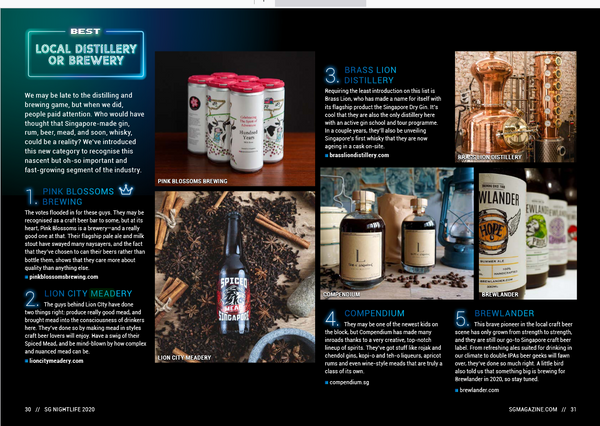
Lion City Meadery, amongst other local producers.

“The guys behind Lion City have done two things right: produce really good mead, and brought mead into the consciousness of drinkers here.” 


Hot for cooling meads

Aside from the three meads, Lion City Meadery has released a few limited edition brews. 

Liang Teh (凉茶 liang cha) in Chinese translates to “cooling teas”, where the herbs and ingredients used in this tea is said to have cooling effects on the body. With the perpetually hot and humid climate of Singapore, it’s no surprise that most of us require a cooling brew on most days. 

Lion City Meadery started out their “Liang Teh” Series - and as the name implies, is a line of meads that are inspired by actual local brews of cooling tea. Two meads were released under this banner: the Chrysanthemum Mead and the Longan Red Date tea. Production of these meads have been teased as early as August 2019, before making their official debuts a few months later. 

The former, the Chrysanthemum Mead, was released on 14 April 2020. This mead took Singapore by storm - and has since gained quite a cult following. This mead was fashioned after the home-brew chrysanthemum teas that are favourite among Asian grandmothers - with Chrysanthemum tea being an already popular and familiar flavour amongst Singaporeans across all ages.

Remember when the COVID-19 pandemic was a thing? Lion City Meadery released this mead when the taps had to be shut in our favourite watering holes. The mead (whether by coincidence or not, chrysanthemum teas and brews are also common household remedies for flus and sore throats) quickly garnered fans all over, and within four months, every single bottle of Chrysanthemum mead was sold out - with a few remaining kegs hidden and cellared in beer taprooms. 

Since then, the Chrysanthemum mead has become quite an urban legend: memes were made about the rarity of the mead, and the last few remaining kegs of the stuff was treated like a unicorrn, sparking a hunt nationwide amongst fans. Since 2020 Chrysanthemum mead has made limited appearances (again, like a legendary Pokemon!), once at Beerfest Asia 2023. Looking back at the pandemic, the Lion City Meadery duo credited the fans’ outpouring love for the Chrysanthemum Mead for helping them and a few businesses survive through the tough times. 

The latter, the Longan Red Date mead, was fashioned after yet another popular cooling tea recipe. Red dates are believed to be high in iron, and are often given as a supplement to pregnant women as a prenatal tonic to improve blood circulation and general well being. Just like tradition dictates, dried longans and red dates (common ingredients in Chinese medicine halls) are utilised in this brew. Making its debut on 27th Janurary 2021, by popular demand, the mead has made a return in April 2021. This mead, like other seasonals, will be gone once it is all sold out. Be warned!

Since becoming a mainstay offering, the Longan Red Date mead has since bagged the Best in Singapore award alongside Gold for the mead category in Beerfest Asia 2023. 

Lion City Meadery's most recent accolades.

A quick detour from cooling teas - perhaps as a testament to the Lion City Meadery’s brewing prowess, the duo has worked on collaborations and released seasonal limited editions as well. The Peach Please, that was released on December 2020 was a limited, 53 only exclusive peach bochet (a mead made with caramelised honey) that came in at 16%, almost double or triple that of the usual mead ABV. The following year, Lion City Meadery would release the Grape Expectations, an 18% ABV mead that was brewed with 100% Concord grape juice, in December 2021. 

It does not come as a surprise that the Lion City Meadery duo are chums with the beer brewing scene in Singapore, and have worked on four collaborations till date: the Spice Boys porter with Daryl’s Urban Ales, and a few three-way collabs: Pucker Up between Red Dot Brewhouse and Wild Brew; Sweet Caramelions with Smith Street Taps and Lion Brewing (on tap only), and an exclusive Smith Street Taps mead Out of the Woods with Alive Brewing.

Setting hive in Singapore and the future of meads

As of late April this year, Lion City Meadery has set up brewing operations in Singapore - and to celebrate, the fabled Chrysanthemum mead made its return once more. 

More importantly, the brains behind Lion City Meadery feel that more work needs to be done before mead really catches on in Singapore. In an interview with Robb Report, Justin said that they’ll “like to think that we’ve helped increase awareness about its existence”, but don’t intend to stop making it more well known in Singapore. Justin also said that the seasonal meads are never going away, saying that “the gloves come off, (with) no restrictions, no limitations”. 

On the future of meads, Sanjay spoke about how there’s a wide spectrum of mead styles to touch on - given the heritage of mead. While the Viking’s style of mead is still the poster child of the mead world, traditional mead styles have origins that go as far as Africa and Asia. 

“I think it would be exciting if we could explore these roots and bring them back.”

More information is here:-

https://88bamboo.co/blogs/brand-spotlights/lion-city-meadery-how-two-friends-stirred-a-buzz?srsltid=AfmBOoq6vZ9kWpkGUmSELH5TpQ6yNc3xRZmOEnk3YH7DjVTJa2et4m6W 

Friday, 15 August 2025

A Colorado state of mead

From thirstcolorado.com

By Kristen Richard

Honey, yeast and water. It may sound like an odd combination. But if you mix them all together and let it ferment for at least a week, you’ll have what many historians consider the oldest alcoholic beverage: mead. Some archaeologists believe humans started gathering honey as early as 15,000 BC. Once pottery and other drinking vessels were created, mead was likely a “happy little accident,” according to author Ken Schramm, who has written extensively about the beverage.

Photo courtesy of Cloud City Meadery

After all, if rainwater were to drip into one of the pots holding honey, ambient yeasts would have everything they need to do what they do best: fermentation. And thus, the owner of said pot and honey would likely find something a bit stronger than they originally bargained for if they let it rest for a few days.

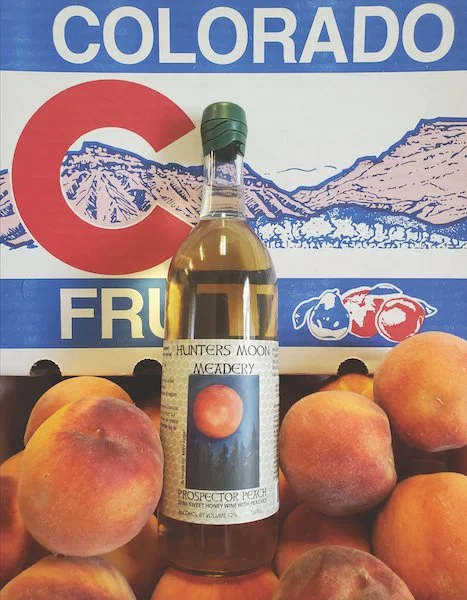
Photo courtesy of Hunters Moon Meadery

“We’re still spending a lot of our time educating people on what mead is,” says Kim Bowdish, who co-owns Hunters Moon Meadery with her husband, Greg, in Severance. 

When it comes to Colorado, beer has certainly dominated the beverage scene. It’s home to over 400 breweries and only about 20 meaderies. Yet, Colorado’s mead industry has been plugging away for decades. And a state full of adventurous beer drinkers might be exactly what it needs in an ever-changing craft beverage landscape. 

THE EARLY YEARS

Not quite 15,000 BC, but in 1995 Meadery of the Rockies in Palisade became the first of its kind to open in the Centennial State. Later bought by Talon Wines, guests can find meads ranging from apricot honey to honey sheré, a fortified dessert mead. They were the only one in the state until David Myers opened Redstone Meadery in Boulder six years later. It was 2001, and the early days of Colorado’s craft beer boom were in full swing. Microbreweries were starting to pop up and homebrewing was all the rage. Like many meadmakers, Myers was first introduced to the beverage via homebrewing. 

 “We knew we were pushing the rock up the hill,” he says when it came to introducing mead to the market. “It was just a matter of keeping at it. We pride ourselves on education and entertainment by putting ourselves out there at wine festivals, beer festivals and in-store tastings.” 

Mead is classified as a wine and it often comes in at about 12–14 percent alcohol-by-volume (ABV). But Myers opted to take a brewer’s approach and created some of the first “sessionable” meads on the market, clocking in at about 8% ABV. He’s now distributing in 30 states. 

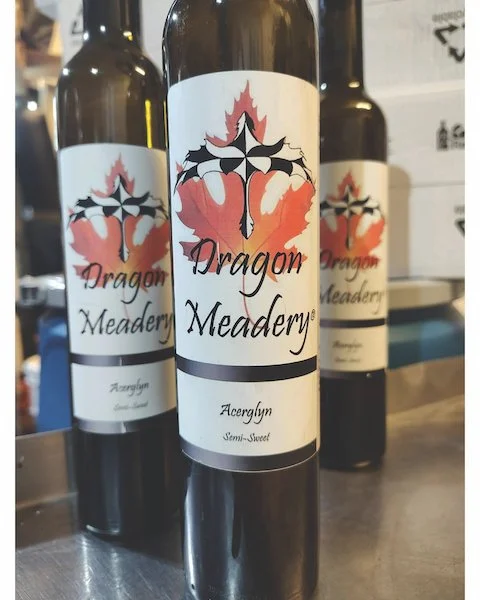
Photo courtesy of Dragon Meadery

But that rock wasn’t quite up the hill when Colorado’s third meadery opened its doors in 2014. 

“Nobody had any idea what mead was,” says Alexandria Fox of Dragon Meadery in Aurora. “There was no ‘Game of Thrones’ and ‘being a Viking’ wasn’t a thing yet. So we spent a significant amount of time teaching people what mead is exactly. And how it can vary so much depending on the honey and what you do with it.”

Like Myers, Fox and husband Shane put a lot of time and effort into educating consumers and figuring out what they liked to drink. 

“We do a full tasting flight of everything we have available, usually 12 meads,” Fox says. “And we have a tri-fold menu with a legend inside explaining the different styles of mead like hydromels, cysers, metheglins and more. We have even spent time educating the government on the different categories of mead.” 

But this seemingly continuous uphill battle can also present craft beverage makers with some unique opportunities. Like when Michael Fagan, managing partner of Honnibrook Craft Meadery in Castle Rock, was on the fence about the direction to go when it came to getting into the craft beverage industry. 

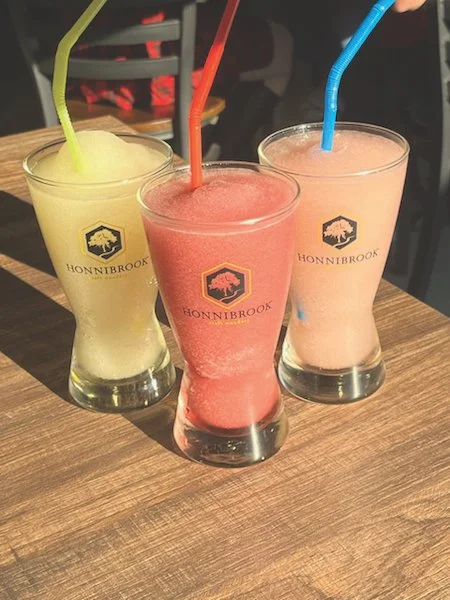
“We had to make a decision,” Fagan says. “Did we want to join the hundreds of breweries or the handful of meaderies? We went the meadery route.” Currently, they have 90 approved recipes that rotate through their 20 taps. Guests can also expect a second taproom opening in Littleton this summer.

Today, Colorado has about 20 registered meaderies. Of course, there are 20 times the amount of breweries throughout the state. But maybe that isn’t necessarily a bad thing. 

“Even though mead is technically a wine, we have always billed ourselves with craft beer,” Myers says. “Craft beer drinkers are adventurous and tend to always be looking for something new to try.” 

Adrian Beebe, founder and meadmaker behind Cloud City Meadery in Leadville, agrees. “People are always looking for something new and there are a lot of passing fads,” she adds. “But I don’t think that’s mead because it can be so many different things and is continuously changing and evolving.”

Photo courtesy of Honnibrook Meadery


IT’S TIME TO GIVE MEAD A SECOND CHANCE 

When someone says they don’t like beer, it’s usually after a lot of trial and error. Or perhaps they will say they like beer but not IPAs or sours. But that’s only after they have given these styles several chances at several different spots. However, when it comes to drinks like cider or mead, people only seem to give it one shot before writing off the respective categories completely. But these meadmakers would like you to reconsider. You might be surprised.  

“Some people think it’s a honey beer,” says Bowdish of Hunters Moon. “Other people think it’s syrupy sweet, which it’s not. We have 24 meads right now that range from very dry to very sweet and everything in the middle.” One of their most popular offerings is the Earl Greg, made with Earl Grey tea and Colorado honey. 

Similarly, Cris Slaymaker, co-owner of Slaymaker Cellars in Idaho Springs, has started to see a shift when it comes to mead 

“This will be our fifth summer having a tasting room,” Slaymaker says. “And throughout the years I hear less and less people asking ‘what is mead.’ People also seem to recognize that there are a range of styles within the category.” 

WHERE IS COLORADO MEAD GOING? 

“The more players in the market can only help the category,” Fagan says. “Because the more people who have the opportunity to try it, the more likely they are to look for it in the future.”

Of course, it’s difficult for craft businesses right now. About 40 Colorado breweries shuttered in 2024. And there is a growing concern about drinking versus overall health amid a recent surgeon general’s warning regarding alcohol and cancer risks. 

“It’s a tough time to be in the beverage industry,” Myers says. “Right now it’s not necessarily how you grow but how you keep from shrinking. But I still think it’s about connecting with the people, getting your story out there, and of course, always making a quality product.”

Kristen Richard is a drink and food freelance writer based in Denver. When she’s not traveling down the rabbit hole of random esoteric booze knowledge, you can usually find her camping, hiking, hanging with her dog, reading or rocking out to metal bands. 

https://www.thirstcolorado.com/source/2025/6/30/colorado-mead

Saturday, 9 August 2025

Top Mead Beverages Companies: Global Growth Insights

From globalgrowthinsights.com

Mead beverages are alcoholic drinks created by fermenting honey with water, sometimes incorporating fruits, spices, grains, or hops. Mead is among the oldest alcoholic beverages globally, with evidence dating back to 7000 BCE in Northern China. By 2025, the market has significantly diversified, with over 150+ commercial meaderies operating worldwide. In the U.S. alone, more than 400 new craft mead brands have emerged over the past decade. Mead varieties include traditional meads, melomels (fruit meads), metheglins (spiced meads), and session meads, which are lower in alcohol content. Consumer preference for gluten-free and natural beverages has fueled the appeal of mead, leading to increased product innovation and retail penetration across grocery, liquor, and online channels.

The global Mead Beverages Market was valued at USD 645.22 million in 2023, projected to grow to USD 759.81 million in 2024 and USD 2,809.88 million by 2032, with a CAGR of 17.76% during the forecast period.

How Big is the Mead Beverages Industry in 2025?

In 2025, the mead beverages industry has reached an estimated global consumption volume of 190 million litres, up from 162 million litres in 2022. The industry now encompasses over 1,200 commercial producers globally. North America holds approximately 38.5% of the global production volume, with the U.S. leading the charge. Europe follows with 33.4%, mainly dominated by producers in Poland, the U.K., and Germany. Asia-Pacific contributes around 18.7%, with increasing penetration in Japan and South Korea. On-trade consumption (bars/restaurants) accounts for 48% of total volume, while off-trade (retail) distribution contributes 52%, indicating a growing home consumption trend.

Impact of U.S. Tariffs on the Mead Beverages Industry – Regional Analysis (2025)

In 2025, the U.S. mead beverages industry continues to feel ripple effects from tariff changes implemented between 2018 and 2024, particularly those targeting alcoholic beverages and packaging materials. Although mead is often produced domestically, U.S. meaderies rely heavily on imported ingredients, bottles, cans, and even label materials—many of which have been subject to increased duties over the past five years.

Approximately 64% of U.S. meaderies import glass bottles from Europe and Latin America. The 2020 tariffs on European glass increased cost-per-unit packaging by 11–15%, leading to thinner margins for small-scale mead producers. Some companies, such as Moonlight Meadery and Schramm’s Mead, shifted to domestic suppliers, increasing local sourcing by 23% by 2025. However, limited domestic supply has resulted in longer lead times and 7–9% higher overall packaging costs.

Fruit imports used in melomels (fruit meads), particularly berries from Mexico and tropical fruits from Southeast Asia, have seen an average 10% tariff hike since 2021. This has affected pricing strategies for premium flavored meads. B. Nektar Meadery, known for exotic fruit-based meads, reported a 12% increase in ingredient costs, which forced limited seasonal releases and smaller batch sizes.

In contrast, U.S.-based honey—being domestically sourced in over 80% of meaderies—has not been affected directly by tariffs. This has created an opportunity for U.S. producers to market "100% domestic mead," with 33% of consumers in 2025 indicating a preference for local sourcing in their alcohol purchases.

Regional Impact Summary:

  • Northeast USA: High dependence on European glass; 13% cost increase per bottle reported. Shift towards canned meads has grown by 19% to reduce costs.
  • Midwest USA: States like Michigan have diversified supply chains. Tallgrass and B. Nektar offset some costs via automation, increasing production efficiency by 15%.
  • West Coast USA: Heavy fruit-focused meads impacted due to Asian import duties. Mead producers have reported 9–14% higher ingredient expenses, particularly for tropical blends.

In summary, while tariffs have challenged U.S. mead producers, they’ve also prompted greater local sourcing, packaging innovation, and cost optimization. Regions that diversified early are now more resilient and better positioned for sustainable growth in the global craft beverage market.

USA Growing Mead Beverages Market

The United States is the fastest-growing mead beverage market globally, capturing 34.2% of the global market share in 2025. California, Michigan, Colorado, and Vermont host the largest clusters of craft meaderies. Over 210 registered mead producers operate across the U.S., up from 120 in 2018, reflecting a 75% increase. American consumers prefer session-style meads and carbonated variants, contributing to 61% of total mead sales in the U.S. Moreover, online alcohol sales, which grew by over 22% year-on-year from 2023 to 2025, have expanded the distribution reach of independent meaderies. U.S. meadery exports are also on the rise, with 16% of production now sold internationally.

Global Distribution of Mead Beverage Manufacturers by Country in 2025

The global landscape of mead beverage manufacturing in 2025 reflects a highly fragmented yet steadily expanding market. Mead, once a niche craft beverage, has seen a worldwide resurgence, with more than 1,200 meadery operations now actively producing commercial batches across over 30 countries. The United States dominates the global scene with 34.2% of total manufacturers, driven by explosive growth in the Midwest, California, and New England regions.

Europe remains a stronghold for traditional mead production, particularly in Poland (12.6%), United Kingdom (10.3%), and Germany (7.4%). These regions benefit from centuries-old mead-making traditions, government support for craft producers, and evolving consumer preferences for heritage alcoholic beverages.

The Asia-Pacific region is rapidly emerging as a key growth zone, accounting for 18.7% of global producers. Countries like Japan and South Korea have experienced a combined 27% growth in registered meaderies since 2022, spurred by urban demand for low-alcohol, artisan beverages.

Canada and Australia also contribute significantly, with a combined 9.9% share, supported by strong export potential and increasing craft beverage culture. Nordic countries such as Iceland, Sweden, and Norway, despite their smaller populations, maintain a 3.4% share, bolstered by eco-conscious production methods and strong local followings.

The remaining 18.5% comprises emerging producers from Latin America, the Middle East, and Africa—regions that are only beginning to tap into the global mead movement.

Country/RegionShare of Global Manufacturers (%)
United States34.2%
Poland12.6%
United Kingdom10.3%
Germany7.4%
Canada5.8%
Australia4.1%
Japan & South Korea (combined)3.7%
Nordic Countries (Iceland, Sweden, Norway)3.4%
Rest of World18.5%

Regional Market Share & Opportunities

The global mead beverages market in 2025 presents distinct regional patterns, each offering unique market share contributions and growth opportunities. North America remains the dominant player, holding a 38.5% share of the global mead production. The United States leads this region with over 210 active mead producers, concentrated in states like California, Michigan, and Vermont. Opportunities in this region include expanding retail distribution, innovating with low-alcohol meads, and targeting health-conscious consumers through organic and gluten-free product lines.

Europe follows closely, accounting for 33.4% of the global market. Poland, the U.K., and Germany are at the forefront, driven by their centuries-old brewing traditions. Poland alone contributes 11.1% of the total volume. The region is seeing rising demand for high-end, barrel-aged meads and botanical-infused variants. Expansion opportunities lie in premiumization and ecommerce channels, especially in Western Europe.

The Asia-Pacific region holds an 18.7% share, and is the fastest-emerging zone. Japan and South Korea are key contributors, with a 27% increase in mead consumption in urban centers between 2022 and 2025. Growing consumer interest in fermented and artisanal beverages is opening doors for craft mead imports, mead bars, and collaboration brews with local ingredients like yuzu and plum.

Latin America and the Middle East collectively hold less than 5% of market share, but present untapped potential. Countries like Brazil and the UAE are showing interest in low-sugar and exotic flavor variants. Market entry here can be achieved via premium positioning and tourism-focused branding.

Africa and Eastern Europe offer micro-regional growth potential through local honey co-ops and farm-based craft distilleries. With global awareness of sustainable and authentic alcohol options growing, every region holds scalable opportunities for both niche meaderies and international brands alike.

Global Growth Insights unveils the top List Global Mead Beverages Companies:

Company NameHeadquartersYear EstablishedKey ProductsEstimated Production (Liters/Year)Notable Facts (2025)
MedovinaColorado, USA1994Traditional Meads, Lavender Mead45,00017% sales growth since 2023; 68% of sales are direct-to-consumer
Tallgrass MeadKansas, USA2017Session Meads, Fruit Sparkling Meads90,00027% production growth since 2022; 32% sales from online orders
B. Nektar MeaderyMichigan, USA2006Zombie Killer, Necro MangoCon300,000+Exporting to 12 countries; 72% volume from top 3 SKUs
Moonlight MeaderyNew Hampshire, USA2010Desire, Kurt's Apple Pie250,00040+ mead variants; ships to 40+ states
Pasieka JarosPoland1991Dwójniak, Trójniak400,000+43% exports; 25% of sales through online platforms
Schramm's MeadMichigan, USA2013The Heart of Darkness, Raspberry Mead120,00080% direct-to-consumer; 34% growth via social media

Conclusion

The mead beverages market in 2025 reflects a dynamic blend of tradition and innovation, with over 1,200 active commercial producers globally. The U.S. remains the driving force behind mead's modern resurgence, holding approximately 34.2% of global production. Rising consumer preference for craft alcohol, gluten-free drinks, and low-ABV options continues to propel the industry forward.

Companies like B. Nektar Meadery and Schramm’s Mead have positioned themselves as pioneers in high-quality, fruit-forward meads, while Moonlight Meadery and Tallgrass Mead are expanding the appeal of session meads and flavored variants. European players such as Pasieka Jaros preserve centuries-old Polish mead traditions while embracing modern digital distribution. Boutique producers like Medovina continue to thrive by maintaining artisanal methods and direct customer engagement.

Mead beverages are no longer a niche product. The segment is experiencing tangible mainstream crossover—61% of U.S. mead consumption now occurs via off-trade channels, a sharp rise from 42% in 2020. Online direct-to-consumer models account for 25–40% of total revenues for many leading companies, reshaping how these beverages reach audiences.

Globally, the spread of mead manufacturing now extends to over 30 countries, with North America (38.5%), Europe (33.4%), and Asia-Pacific (18.7%) dominating production. As urban consumers seek diverse and authentic flavor experiences, opportunities for innovation, international collaboration, and premium product development continue to grow.

With improved shelf visibility, innovative packaging, and rising exports, the global mead beverages industry is firmly on the radar of modern consumers, distributors, and beverage investors.

https://www.globalgrowthinsights.com/blog/mead-beverages-companies-874