From japantoday.com
By Rachel Teo
Dating back to 7,000 BC, mead is one of the oldest alcoholic beverages in the world. As the Agricultural Revolution progressed, grains, hops, and grapes made winemaking and beer-brewing more commonplace. Since honey was more expensive and more difficult to scale, the beverage was slowly lost to time.
In the last five years, there’s been a resurgence in the popularity of mead in Europe and the US. This wave is finally hitting Japan, with meaderies opening across the country and selections from Japanese brewers gaining recognition at prestigious international competitions.
According to Good luck Trip, Japan now boasts 20–30 facilities that produce the beverage, with six companies opting to specialize in making only mead. The drink is also gaining ground in Japanese pop-culture, being featured in a number of anime and manga, and is even sold as part of certain anime-related merchandise.
Antelope Meadery
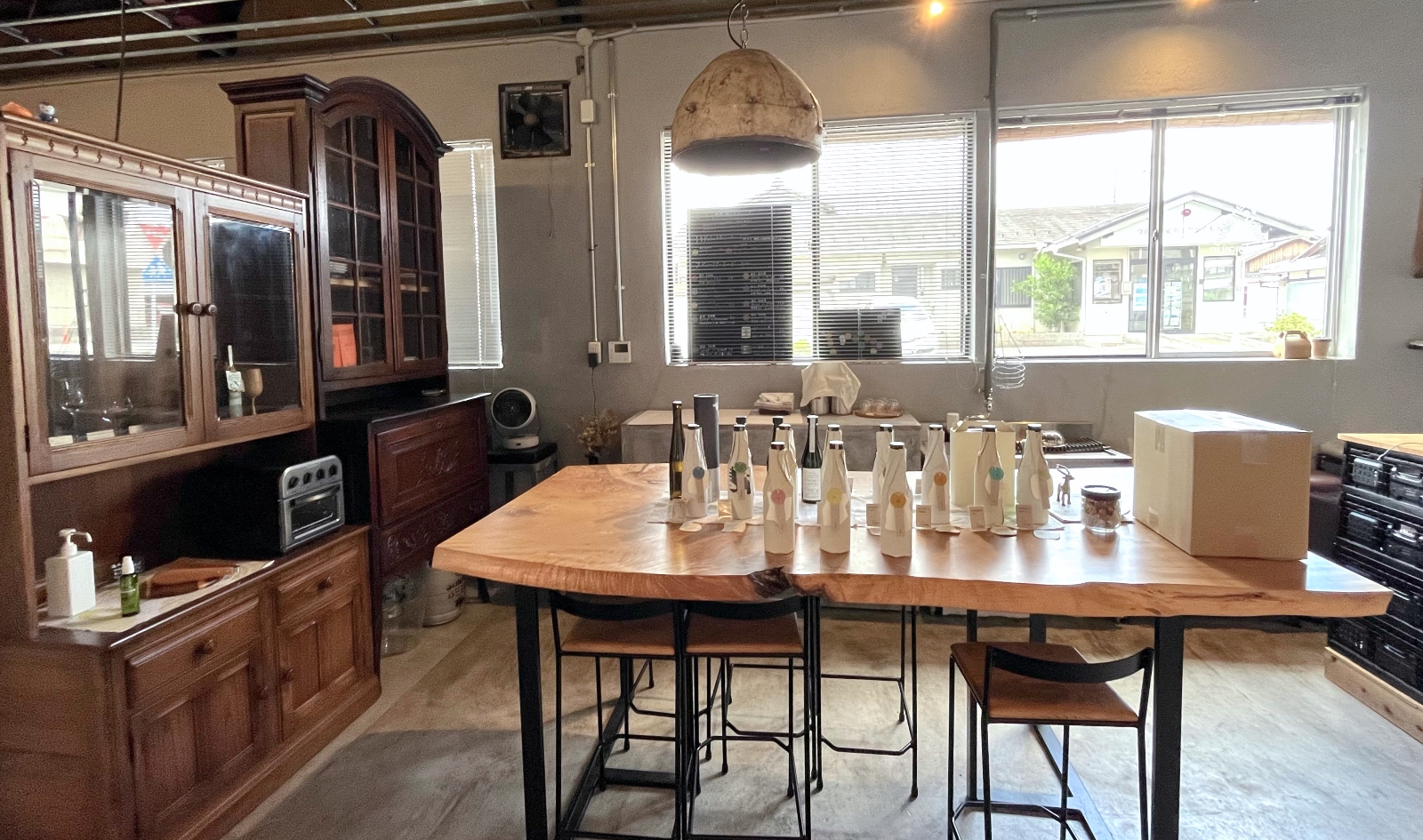
Antelope Meadery is a small, award-winning facility tucked away in a quiet residential neighbourhood of Yasu City in Shiga Prefecture. Set up in a small warehouse that used to be a bakery, the meadery opened in 2020 right before the COVID pandemic, and currently produces 13 different brews of mead, ranging from 4% to to 14% ABV.
Although mead has been around for centuries, not many people know about the beverage in Japan. In fact, Yuki Yazawa, head brewer and CEO at Antelope, struggled at first with getting his operation up and running.
“I opened the meadery in early 2020, right before COVID hit. We were actually the first facility in Japan that’s completely dedicated to making mead,” says Yazawa.
As businesses around him screeched to a halt and travel restrictions were imposed, Yazawa had to hunker down and focus on experimenting, refining recipes, and constantly researching. Finding answers to his questions and troubleshooting recipes proved extremely challenging, though, since there was no precedent for mead making in Japan. But through years of practice and dedication, and along with some mead-making advice from kind strangers on the internet, Yazawa steadily perfected his craft.
“Traditionally, mead is sweet and weighty. The level of sweetness varies, and they can go from very sweet to very dry,” says Yazawa. “Besides just honey and water, you can also use fruits, hops, spices, or grains to create additional flavours.”
Using traditional Japanese aromatics, including lemon leaves, lime zest and kuromoji (a spice from Kyushu), a variety of their meads have seen success in Hong Kong, Singapore and Taiwan.
International recognition
Antelope Meadery recently added the Grand Champion Pro award to their accolades. This award is given at the Mead Madness Cup, the largest mead competition in Europe. Held in February this year in Krakow, Poland, the Cup featured 777 entries from 35 countries and 222 participating organizations. Evaluated by experienced mead, wine, and beer judges, including representatives from the European Mead Makers Association, this is the first time the award has gone to a producer outside Europe.
“We were chosen as the Grand Champion out of 777 entries. We weren’t thinking anything of it – we didn’t enter [the competition] thinking we were going to win, so it just came as a big surprise to us!” says Naoko Shimogaki, an inventory associate at Antelope.
Aurea 13, the winning brew, also won the Medium Session Mead award for best traditional mead with a semi-sweet or semi-dry flavour profile. Made with domestic honey from Hamamatsu in Shizuoka, Aurea 13 is a light and sparkling, semi-sweet brew with a golden hue with a faint green tint. With aromas of muscat grape, mint, and a touch of lemon, it has a bright acidity and a faintly bitter finish, and an ABV of 6%.
“Meads are coming back, and based on this win, we think there could be a shift in the preferences of mead drinkers [worldwide],” says Shimogaki. “Meads are usually rich, sweet, and weighty, but Aurea 13 and the meads we make are mostly light, sparkling, and not too high in alcohol content.” These flavour profiles also correspond with the styles of wines that the Japanese prefer: light, fresh, and low-alcohol styles that pair easily with local foods.
Mead’s low ABV and adaptability to take on additional flavours might even give it an edge, in light of the changing drinking preferences. “Maybe some people don’t want to drink alcohol too heavily, or maybe they’re just looking for something light to make a toast over dinner,” says Shimogaki. “We want to make drinks that really capture the essence and intricate flavours of the honey, that still pairs well with both food and celebrations.”
Japan’s growing mead scene
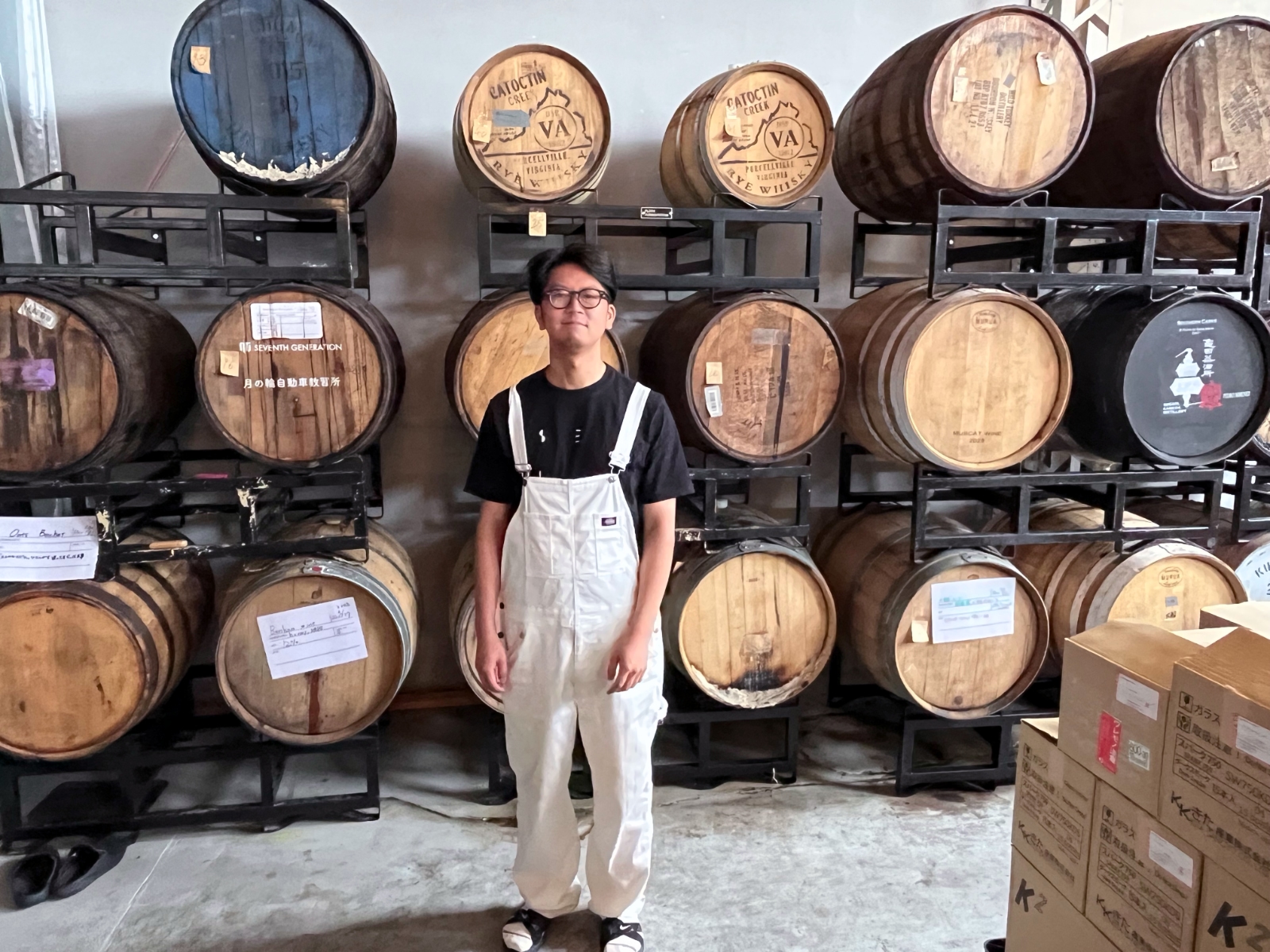
As the new player on the drink scene, mead has to compete with the current mainstays: Japanese sake, Japanese whiskey, and local craft beers. But while the mead scene in Japan is just under a decade old, the achievements in this area are already quite impressive. Japanese brewers have been winning awards at international competitions with select, high-quality meads since 2021.
Besides Antelope Meadery’s win at the 2026 Mead Madness Cup, Kyoto Mead Brewery also secured two bronze medals on their first competition appearance. Wicked Way Mead from Nagano won two awards at the same event, and has won other mead awards such as the 2026 UK Midsummer Mead Awards, and the 2025 Mazer Cup (USA).
At the 2024 Mead Madness Cup, Honeyboy & Co from Kagoshima placed second at the Traditional Dry Mead category with their Meadol Linden Honey mead. Eight Crowns, a meadery from Miyagi Prefecture, took home a gold medal at the 2023 BTI World Mead Challenge with their Wildflower Traditional Mead.
The scene faces two main challenges moving forward: promoting mead in Japan and procuring a sufficient stock of high-quality domestic ingredients.
“There’s a limited supply of domestic honey,” admits Yazawa, “while we source from Shizuoka, Nagano, Kumamoto, and all over Japan, it’s always a bit of a gamble, because the type of honey really affects the taste and quality of the final product.”
While Antelope’s earlier recipes made meads with honeys imported from Myanmar and Vietnam, the master brewer is now dedicated to keeping ingredients local. His goal? To capture the aromatic properties of the honey in every bottle.
Antelope Meadery hopes to create a beverage that showcases the best of Japan’s native goods.
“Local craft beer and gin use Japanese agricultural products, like hops, wheat, and barley,” notes Yazawa.
Although these ingredients are grown domestically, they were almost all originally brought to Japan from overseas. The type of honey and other aromatics that Antelope uses, on the other hand, are fully native to Japan.
“I really want to create a unique, and truly Japanese brew,” he says.
Other breweries are likely to follow suit, until the country as a whole has a new beverage to add to the repertoire of artisanal craftsmanship.
https://japantoday.com/category/features/food/mead-is-having-a-moment-in-japan

No comments:
Post a Comment